
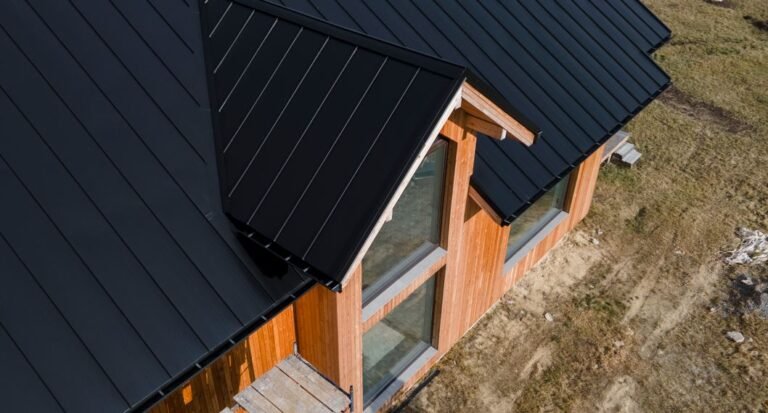
When homeowners begin planning a home improvement project, one of the most significant investments they will encounter is replacing or repairing their roof. Understanding what drives roofing prices can feel overwhelming, especially given the multitude of variables involved, such as material choices, labor rates, structural complexity, and geographic location. However, among all these factors, the physical size of the roof stands out as the primary baseline determinant of overall roofing prices.
Evaluating how roof size influences these costs requires looking beyond simple square footage. While a larger surface area inherently demands more materials and extended labor hours, the relationship between size and final cost is nuanced. Factors like economies of scale, waste margins, architectural complexity, and logistical expenses all intertwine with roof size to shape the final invoice.
The Direct Mathematical Correlation: Square Footage and Materials
At its core, roofing is priced primarily by the square, where one square equals 100 square feet of roof surface. Therefore, the total square footage of a roof dictates the baseline calculation for roofing prices. Whether a contractor is estimating asphalt shingles, metal panels, tile, or slate, the quantity of materials required scales directly with the size of the structure.
A standard suburban home with a modest 1,500-square-foot footprint might require roughly 15 to 18 squares of material, factoring in pitch and overhangs. In contrast, a sprawling 3,500-square-foot home could easily require 35 to 40 squares or more. Because materials like shingles, underlayment, ice and water shield, drip edge, and fasteners are purchased and applied in bulk relative to the area, a larger roof naturally incurs higher material costs. This direct proportional scaling is the most immediate reason why larger homes face significantly higher roofing prices than smaller cottages or bungalows.
Material Waste and Overages
When calculating roofing prices based on size, contractors must account for material waste. No roof is a simple, uninterrupted rectangle; features like valleys, hips, ridges, chimneys, and plumbing vents require cuts, which generate scrap material.
Typically, roofing contractors add a waste factor of 10% to 15% to their material orders to ensure they do not run short mid-project. On a small roof, a 10% waste factor represents a relatively minor expense. However, on an expansive roof spanning thousands of square feet, that same percentage translates to hundreds of extra square feet of wasted materials. This scrap factor scales upward with roof size, adding a subtle yet impactful layer to overall roofing prices.
Labor Costs and Project Scale
Labor is the second major component of any roofing estimate, often accounting for 40% to 60% of total roofing prices. Just as materials scale with size, the human hours required to tear off old layers, repair decking, install underlayment, and lay new shingles increase exponentially with a larger surface area.
Installing a roof on a small home might take a professional crew a single day to complete. A large, complex roof, however, can easily require a week or more of intensive labor from a team of experienced workers. Labor costs are calculated based on man-hours, crew size, and the estimated duration of the project. Consequently, a larger roof requires more workforce allocation, driving labor costs upward and exerting a powerful influence on overall roofing prices.
Beyond Simple Square Footage: Complexity and Pitch
While size provides the foundation for roofing prices, size rarely exists in a vacuum. Two roofs of the exact same square footage can carry vastly different price tags depending on their architectural design and steepness.
A large, simple gable roof with a low slope is relatively straightforward and safe for a crew to navigate. Contractors can move quickly, install materials efficiently, and finish the job with minimal friction. Conversely, a large, highly fragmented roof featuring multiple dormers, steep pitches, complex valleys, and intricate architectural details presents entirely different challenges.
Pitch, Slope, and Steepness Challenges
Roof pitch significantly alters how roof size impacts roofing prices. Steeper roofs require specialized safety equipment, including roof jacks, harnesses, and scaffolding, to protect workers. Walking and working on a steep surface is slower and more physically demanding than working on a gentle slope.
When a roof is both large and steep, the labor intensity multiplies. Contractors must factor in the slower pace of installation, increased safety precautions, and potential limits on how materials can be moved across the surface. Therefore, a massive roof with a steep pitch will see roofing prices escalate far beyond what simple square footage would initially suggest.
Economies of Scale: Do Larger Roofs Cost Less Per Square Foot?
One of the most interesting economic dynamics in the roofing industry is the presence of economies of scale. Interestingly, while larger roofs result in higher total roofing prices, they sometimes feature a lower cost per square foot compared to very small roofs.
Contractors incur certain fixed mobilization costs regardless of project size. Transporting equipment, setting up safety gear, bringing a dumpster to the site, and establishing operational logistics take the same amount of time and effort whether the roof is 1,000 square feet or 4,000 square feet. For a very small roof, these fixed mobilization costs are distributed across fewer square feet, driving up the per-square-foot price.
On larger roofs, these fixed overhead expenses are spread over a much larger area, which can slightly reduce the cost per square foot. Furthermore, contractors may receive volume discounts on bulk material orders for larger projects, savings that can occasionally be passed on to the consumer. However, this trend has limits; once a project exceeds standard crew capacities and requires extended timelines or specialized heavy equipment, those efficiencies can diminish.
Additional Factors Tied to Roof Size
Roof size also indirectly influences several ancillary costs that contribute to total roofing prices.
Disposal and dumpster fees are directly tied to project size. Tearing off old roofing materials generates a massive volume of heavy debris, especially when dealing with multiple layers of old asphalt shingles or heavy clay tiles. Larger roofs produce more waste, necessitating larger dumpsters or multiple haul-away trips, which adds to the bottom line.
Permit fees in many municipalities are calculated based on the total valuation of the project or the square footage of the structure. While permit costs vary wildly by region, a larger project generally triggers higher administrative and inspection fees.
Conclusion
Understanding how roof size affects overall roofing prices empowers homeowners to make informed decisions when budgeting for home renovations. While square footage serves as the primary multiplier for both material and labor costs, variables like roof pitch, architectural complexity, waste margins, and fixed mobilization expenses all interact with size to determine the final investment. By recognizing these dynamics, property owners can better anticipate contractor estimates, plan their finances effectively, and ensure their roofing project is executed successfully.