
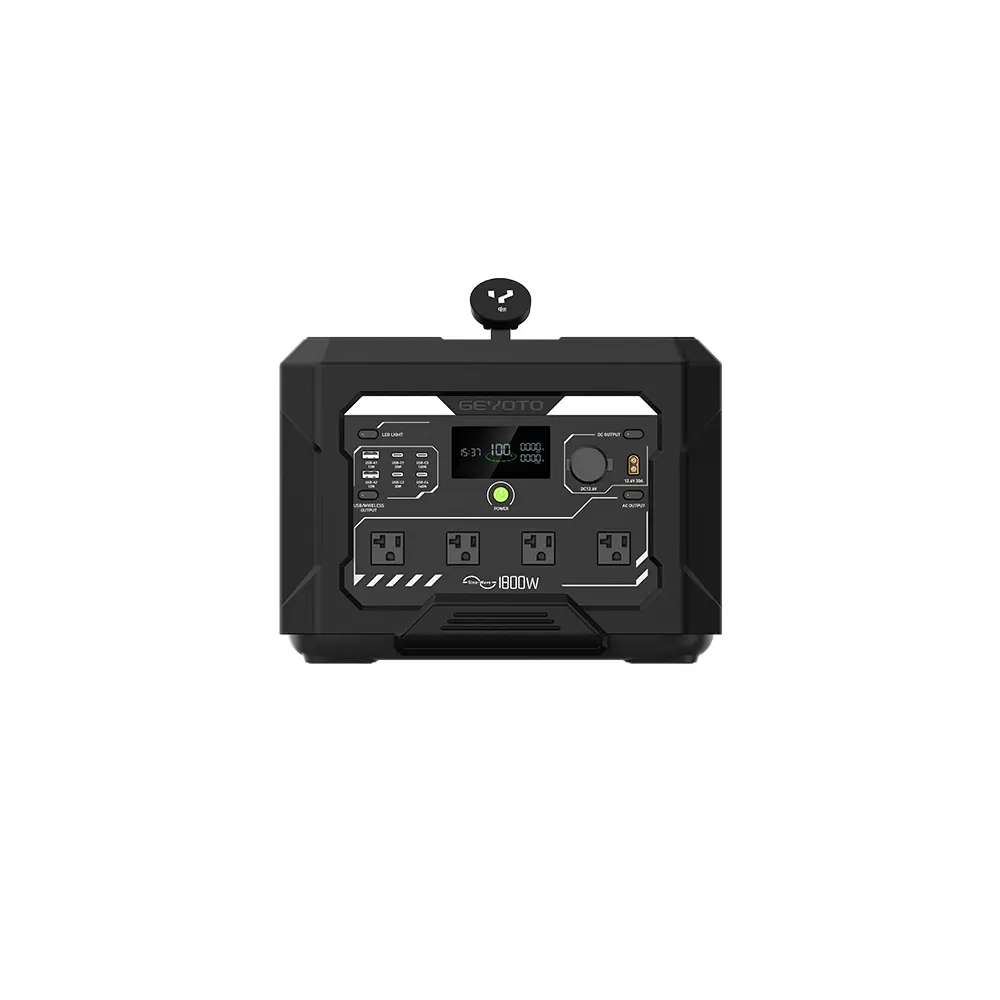
Understanding the Importance of a Reliable Backup Power System
Hurricane season brings more than strong winds and heavy rain. One of the most disruptive consequences is prolonged power outages. When the grid fails, homes can lose electricity for hours, days, or even weeks. This is why selecting the right generator for hurricane season is not just a convenience but a critical preparedness decision.
A dependable backup system keeps essential appliances running, such as refrigerators, lights, medical devices, fans, and communication equipment. Without power, food spoils quickly, security systems shut down, and staying informed becomes difficult. The right generator for hurricane season helps maintain comfort, safety, and stability during emergencies.
Modern backup systems range from small portable units to whole-house standby generators. Each option has advantages depending on your home size, energy needs, and budget. Understanding these differences is the first step toward making the right choice.
Types of Generators for Hurricane Preparedness
When selecting a generator for hurricane season, it’s important to understand the main types available: portable generators, inverter generators, and standby generators.
Portable generators are the most common choice for emergency use. They are typically powered by gasoline or diesel and can run essential household appliances through extension cords or transfer switches. These units are affordable and easy to store, making them a popular entry-level generator for hurricane season preparedness.
Inverter generators are a more advanced version of portable systems. They produce cleaner and more stable electricity, which is safe for sensitive electronics like laptops, smartphones, and smart home devices. They are also quieter and more fuel-efficient, making them ideal for residential use during extended outages.
Standby generators are permanently installed outside the home and automatically turn on when power is lost. These systems are connected directly to the home’s electrical panel and often run on natural gas or propane. While more expensive, they provide seamless, whole-home backup power, making them the most reliable generator for hurricane season situations where long outages are expected.
Key Features to Look for in a Hurricane Season Generator
Choosing the right generator for hurricane season requires careful attention to performance and safety features. One of the most important factors is wattage capacity. You need to calculate the total power required to run essential appliances. Refrigerators, freezers, air conditioners, sump pumps, and medical equipment should be prioritized.
Fuel type is another important consideration. Gasoline generators are widely available, but fuel storage can be challenging during emergencies. Propane offers cleaner burning and longer shelf life, while diesel provides high efficiency for heavy-duty systems. Dual-fuel generators offer flexibility, allowing users to switch between fuel sources depending on availability.
Runtime is also critical. A reliable generator for hurricane season should run for several hours without frequent refueling. Larger fuel tanks or energy-efficient inverter technology can significantly extend operation time.
Safety features should never be overlooked. Look for automatic shutoff systems for low oil levels, overload protection, and carbon monoxide detection. These features protect both the equipment and the people using it.
Noise level is another practical factor. In residential areas, quieter generators improve comfort during long outages. Inverter generators are especially known for their reduced noise output compared to traditional models.
Matching Generator Size to Household Needs
Selecting the right size generator for hurricane season depends on how many appliances you plan to run at the same time. Small portable generators typically provide 1,000 to 3,000 watts, which is enough for basic essentials like charging devices, running lights, and powering a refrigerator.
Medium-sized generators range from 3,000 to 7,000 watts and can support additional appliances such as fans, small air conditioners, and microwaves. These are ideal for average households looking for balanced performance and affordability.
Large standby systems or heavy-duty portable generators can produce 10,000 watts or more. These systems are designed for whole-home backup, including central air conditioning and multiple high-power appliances.
To choose the right generator for hurricane season, list your essential appliances and their wattage requirements. Add them together and include a buffer of at least 20 percent to avoid overloads. This ensures your system operates safely and efficiently during emergencies.
Fuel Planning and Emergency Preparedness
A generator for hurricane season is only as reliable as its fuel supply. Proper planning is essential to ensure continuous operation during extended outages.
For gasoline-powered units, it is important to store fuel safely in approved containers and rotate it regularly to maintain freshness. Fuel stabilizers can extend shelf life and prevent engine problems.
Propane is a more stable option because it does not degrade over time. However, propane tanks must be stored securely and refilled in advance of storm warnings. Diesel generators are highly efficient but require careful storage due to fuel contamination risks.
It is also wise to keep extra oil, filters, and maintenance tools on hand. Regular servicing before hurricane season ensures your generator for hurricane season is ready when needed most.
Installation, Maintenance, and Safe Operation
Proper installation and maintenance play a major role in the effectiveness of any generator for hurricane season. Portable generators should always be operated outdoors in well-ventilated areas to prevent carbon monoxide buildup. Never run a generator inside a home, garage, or enclosed space.
Standby generators require professional installation to ensure safe connection to the home’s electrical system. A transfer switch is essential to prevent backfeeding electricity into the grid, which can be dangerous for utility workers.
Routine maintenance includes checking oil levels, cleaning air filters, testing the unit monthly, and running the generator under load. This helps ensure that the generator for hurricane season starts reliably when an emergency occurs.
It is also important to store the unit in a dry, protected area when not in use. Exposure to moisture and debris can damage components and reduce performance over time.
Making the Right Investment for Long-Term Security
Investing in a generator for hurricane season is ultimately an investment in safety and peace of mind. While cost is an important factor, reliability should always come first. A cheaper unit may save money upfront but fail during critical moments when power is needed most.
Consider how frequently you experience outages, the severity of local storms, and the number of people in your household. Families in high-risk hurricane zones often benefit from more powerful standby systems, while occasional users may find portable or inverter generators sufficient.
Energy efficiency, fuel availability, and ease of use should all be weighed carefully. A well-chosen generator for hurricane season can provide years of dependable service and significantly reduce the stress of emergency situations.
Conclusion
Preparing for storms requires more than just supplies and evacuation plans. A dependable generator for hurricane season ensures that your home remains functional, safe, and comfortable when the grid goes down. By understanding generator types, sizing requirements, fuel options, and safety practices, you can confidently choose a system that meets your needs.
Whether you opt for a portable unit for essential backup or a full standby system for complete coverage, the right decision will keep your household protected when hurricanes strike.