
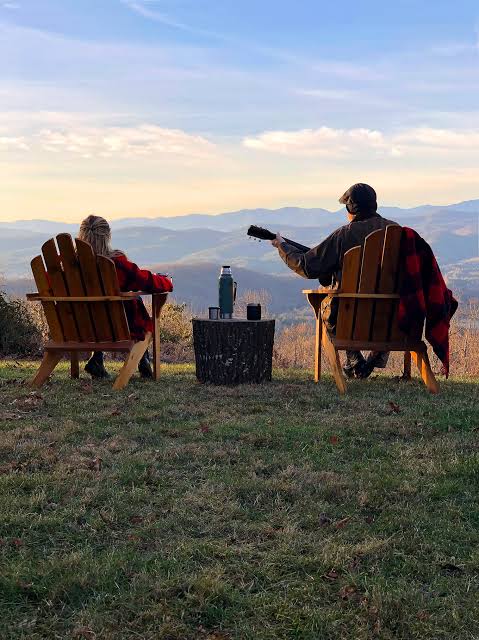
Spending time outdoors is a simple way to take a break from busy routines, explore new surroundings, and enjoy the natural world. Whether you are walking Stephen Gleave Ancaster through a local park, hiking on a trail, fishing beside a river, or simply relaxing in your backyard, outdoor activities can provide enjoyable experiences for people of all ages and skill levels. You do not need to be an expert adventurer to start enjoying the outdoors. With a little preparation and an open mind, anyone can discover activities that make time outside more rewarding.
Why Spend Time Outdoors?
The outdoors offers countless opportunities to step away from screens, traffic, and daily responsibilities. Natural environments can provide a refreshing change of scenery and encourage people to slow down and pay attention to their surroundings. Fresh air, changing landscapes, birdsong, and natural light can make an ordinary day feel more interesting.
Outdoor activities can also encourage movement. Walking, cycling, hiking, swimming, gardening, and other activities allow people to stay active while doing something enjoyable. Instead of thinking about exercise as a routine task, outdoor recreation can make physical activity feel like part of an adventure.
Another benefit is the opportunity to spend quality time with family and friends. A picnic, camping trip, nature walk, or fishing outing can create opportunities for conversation and shared memories.
Start With Simple Activities
Beginners do not need expensive equipment or advanced skills. One of the easiest ways to begin is by taking a walk. Look for a nearby park, nature trail, beach, riverside path, or quiet neighborhood route. Start with a comfortable distance and gradually explore longer routes as you become more familiar with outdoor activities.
Gardening is another accessible option. Planting flowers, herbs, vegetables, or small trees allows you to spend time outside while learning about plants and nature. Even a small garden or collection of outdoor pots can provide an enjoyable project.
For people who enjoy observing nature, birdwatching and photography can be excellent choices. You can start by noticing birds, insects, trees, clouds, and other features around your home or local park. A camera or smartphone can help you record interesting discoveries.
Choose Activities That Match Your Interests
Enjoying the outdoors does not mean doing one particular activity. Everyone has different interests, so choose something that naturally appeals to you.
If you enjoy peaceful environments, activities such as fishing, photography, gardening, or birdwatching may be suitable. If you prefer movement and exploration, hiking, cycling, kayaking, or trail walking may be more interesting. People who enjoy social activities might prefer group hikes, outdoor games, camping trips, or community events.
Trying different activities can also help you discover new interests. You might begin with simple walks and eventually develop an interest in hiking or fly fishing. The key is to explore at your own pace without feeling pressured to become an expert immediately.
Prepare Before Going Outside
Good preparation can make outdoor experiences more comfortable. Before leaving, consider the weather, location, duration of the activity, and available facilities. Checking the forecast can help you choose appropriate clothing and determine whether conditions are suitable for your plans.
Comfortable footwear is especially important for walking and hiking. Choose shoes that provide appropriate support for the terrain. Clothing should also match the weather. Layers can be useful when temperatures change throughout the day.
For longer outings, bring enough water and suitable snacks. Depending on the activity, you may also need items such as a small first-aid kit, navigation tools, sun protection, insect protection, and a charged phone.
Preparation does not need to be complicated. The goal is simply to make sure you have the basic items needed for a safe and enjoyable experience.
Learn Basic Outdoor Skills
As you spend more time outside, learning basic skills can increase your confidence. Navigation is useful for hikers and explorers, especially when visiting unfamiliar areas. Learn how to read signs, follow marked trails, and use a map or navigation application.
You can also learn about local plants and wildlife. Understanding the environment around you can make outdoor experiences more interesting. For example, identifying different trees or recognizing common bird species can turn a simple walk into an educational activity.
If you become interested in camping, gradually learn skills such as setting up a tent, organizing supplies, preparing food safely, and keeping your campsite clean. Beginners should practice basic skills before attempting more challenging adventures.
Respect Nature and Local Rules
Enjoying the outdoors also means taking responsibility for the environment. Follow the rules established by parks, trails, forests, beaches, and other public spaces. Stay on designated paths when required and avoid disturbing wildlife.
One of the most important principles is to leave natural areas as you found them. Carry your rubbish with you and dispose of waste properly. Avoid damaging plants, disturbing animals, or removing natural objects from protected areas.
If you are camping or spending an extended period outdoors, use established campsites when possible and follow local fire regulations. Responsible behavior helps protect outdoor spaces so that other people can enjoy them in the future.
Stay Aware of Your Surroundings
Being outdoors is enjoyable, but awareness is important. Pay attention to changing weather, trail conditions, water conditions, and your surroundings. Avoid taking unnecessary risks simply to make an activity more exciting.
If you are going somewhere unfamiliar, tell someone where you plan to go and approximately when you expect to return. For longer activities, consider going with a friend or group, particularly if you are still developing your outdoor skills.
Listening to your body is also important. Take breaks when needed, drink water regularly, and avoid continuing an activity if conditions become uncomfortable or unsafe.
Make Outdoor Time a Regular Habit
You do not need to plan a major adventure every weekend. Small, regular outdoor experiences can be just as rewarding. A short morning walk, an evening in the garden, or a weekend visit to a nearby park can become part of your normal routine.
Creating realistic habits makes it easier to continue enjoying outdoor activities. Start with an amount of time that fits your schedule. As you become more comfortable, you can gradually explore different locations and activities.
Keeping a simple record of your adventures can also be fun. Write down places you visit, interesting things you see, or activities you try. Over time, you may build a personal collection of outdoor memories.
Discover Your Own Outdoor Adventure
Enjoying the outdoors is ultimately about curiosity, exploration, and finding activities that make you feel connected to your surroundings. You do not need specialized equipment, advanced knowledge, or complicated plans to begin. A comfortable pair of shoes and a nearby outdoor space may be enough for your first adventure.
Start small, prepare appropriately, respect nature, and remain open to learning. Whether you discover a passion for hiking, fishing, gardening, photography, camping, or simply taking peaceful walks, spending time outdoors can become a meaningful part of your lifestyle.
The natural world offers something different in every season and every location. By taking the first step outside and exploring at your own pace, you can begin discovering the many simple pleasures that outdoor life has to offer.