
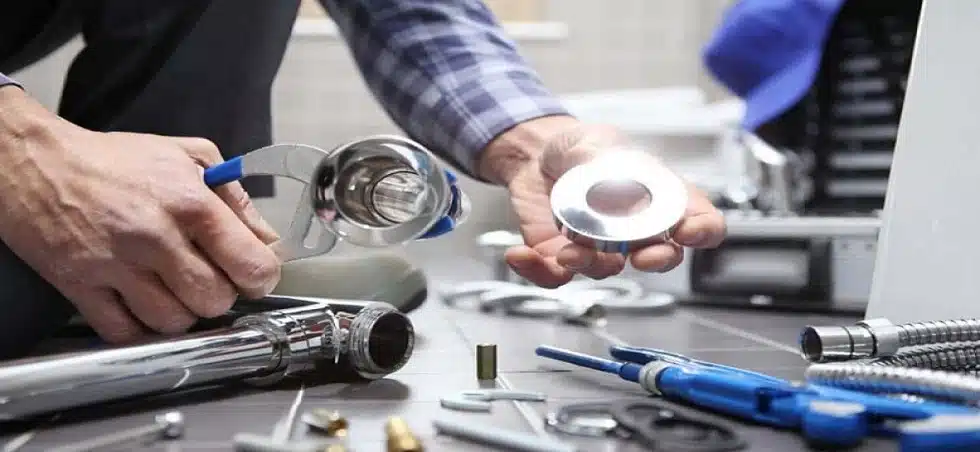
Water heaters and plumbing systems are essential components of modern homes and commercial properties. A reliable water heating system ensures access to hot water for bathing, cleaning, cooking, and various daily activities. Understanding how water heaters work, how they are installed, and how proper maintenance improves performance can help homeowners make informed decisions while reducing energy costs and preventing unexpected plumbing problems.
The Importance of Water Heaters and Plumbing Systems
Water heaters and plumbing networks work together to deliver comfortable and efficient water usage throughout a property. While the water heater provides heated water, the plumbing system distributes it through pipes, fixtures, faucets, and appliances. A well-designed system improves convenience, enhances energy efficiency, and helps prevent issues such as leaks, pressure problems, and inconsistent water temperatures.
Different properties require different types of water heating solutions. Traditional tank water heaters, tankless models, heat pump water heaters, and solar-powered systems each offer unique benefits. Choosing the right option depends on household size, water usage patterns, available space, and energy goals. Professional evaluation of water heaters and plumbing requirements ensures the selected system meets specific needs.
Understanding Different Types of Water Heaters
Traditional storage tank water heaters remain one of the most common choices for residential properties. These systems store and continuously heat a specific amount of water inside a tank. They provide a dependable supply of hot water but may consume more energy because they maintain temperature even when hot water is not being used.
Tankless water heaters have become increasingly popular because they heat water only when needed. This on-demand technology reduces energy waste and provides continuous hot water without requiring a large storage tank. Tankless systems are especially beneficial for homeowners looking to improve efficiency and save space.
Heat pump water heaters use electricity to transfer heat from the surrounding air into the water. These systems can significantly reduce energy consumption compared to conventional models. Although the initial installation cost may be higher, long-term energy savings often make them a valuable investment.
Solar water heaters use energy from the sun to heat water and can lower reliance on traditional energy sources. They are an environmentally friendly option for properties located in areas with sufficient sunlight. Each type of water heater requires proper integration with existing plumbing systems to achieve optimal performance.
Professional Water Heater Installation Process
Proper installation plays a major role in the safety, efficiency, and lifespan of a water heating system. Incorrect installation can lead to problems such as water leaks, poor heating performance, higher energy bills, and potential safety hazards. Professional plumbers understand local building codes, connection requirements, and manufacturer guidelines to ensure reliable installation.
The installation process begins with evaluating the property’s hot water needs and selecting an appropriate unit. Plumbers inspect existing water lines, electrical connections, gas systems, and available installation space. They then connect the water heater to the plumbing network, test pressure levels, and verify that the system operates correctly.
For gas-powered water heaters, proper ventilation and gas line connections are critical. Electric water heaters require accurate electrical wiring and safety checks. Tankless models may require upgraded plumbing connections or electrical capacity depending on the system design.
A professional approach to water heaters and plumbing installation helps maximize efficiency while reducing the likelihood of future repairs. Investing in expert installation ensures the system operates safely and provides dependable hot water for years.
Regular Maintenance for Long-Lasting Performance
Routine maintenance is one of the most effective ways to extend the lifespan of a water heater. Over time, sediment can build up inside storage tanks, reducing heating efficiency and affecting water quality. Flushing the tank periodically helps remove mineral deposits and improves overall performance.
Checking the temperature setting is another important maintenance step. Most homes benefit from a water temperature setting that balances comfort, safety, and energy savings. Extremely high temperatures can increase energy consumption and create a risk of accidental burns.
Inspecting plumbing connections, valves, and pipes helps identify small issues before they become major problems. Leaks around the water heater can cause property damage and indicate internal system issues. Professional inspections allow plumbers to detect corrosion, pressure problems, and worn components early.
Replacing worn parts such as heating elements, anode rods, and valves can also improve system reliability. Regular maintenance of water heaters and plumbing systems reduces repair expenses and helps homeowners avoid unexpected breakdowns.
Improving Energy Efficiency With Modern Water Heating Solutions
Energy efficiency has become a major consideration for homeowners seeking to lower utility expenses and reduce environmental impact. Modern water heaters are designed with advanced technology that improves performance while using less energy.
One simple way to improve efficiency is insulating hot water pipes. Pipe insulation helps reduce heat loss as water travels from the heater to faucets and appliances. This allows hot water to arrive faster while reducing unnecessary energy use.
Upgrading older water heaters can also provide significant savings. Older systems often operate with outdated technology and require more energy to maintain water temperature. Newer energy-efficient models offer improved insulation, better controls, and smarter heating methods.
Reducing hot water waste is another effective strategy. Installing low-flow fixtures, repairing dripping faucets, and using efficient appliances can decrease overall water consumption. These improvements support better performance from both water heaters and plumbing systems.
Smart water heater technology also allows homeowners to monitor energy usage and adjust settings remotely. These features provide greater control over heating schedules and help optimize energy consumption.
Common Water Heater and Plumbing Problems
Even high-quality systems may experience issues over time. One common problem is insufficient hot water, which may result from an undersized unit, damaged heating components, or excessive sediment buildup. Professional diagnosis helps determine the correct solution.
Strange noises from a water heater often indicate mineral deposits or internal component issues. Addressing these sounds early can prevent more serious damage. Water discoloration, unusual odors, and temperature fluctuations should also be inspected by qualified plumbing professionals.
Leaks are among the most serious concerns involving water heaters and plumbing systems. A leaking tank may require replacement, while loose connections or faulty valves may only need repair. Quick action can prevent water damage and costly restoration work.
Choosing Professional Plumbing Services for Water Heater Needs
Reliable water heaters and plumbing systems require skilled installation, regular care, and professional attention. Experienced plumbers provide valuable services including system upgrades, repairs, inspections, and maintenance plans designed to improve performance.
Choosing qualified professionals ensures that water heaters operate efficiently and safely. Proper expertise helps homeowners select the right equipment, maintain existing systems, and address problems before they become expensive emergencies.
A well-maintained water heating system contributes to household comfort, energy savings, and long-term property value. By understanding installation requirements, maintenance practices, and efficiency improvements, homeowners can enjoy dependable hot water while keeping plumbing systems in excellent condition. Water heaters and plumbing are essential investments that require proper care to deliver consistent performance and lasting benefits.