
Introduction
Technology has become an essential part of modern life, helping people communicate, work, travel, exercise, and manage their daily responsibilities more efficiently. Among the most useful technological developments are wearable devices, which allow users to access important information without constantly reaching for a smartphone or computer. From smartwatches and fitness bands to smart rings and connected glasses, wearable technology is changing how people interact with digital tools throughout the day.
Wearable tech combines compact hardware, sensors, wireless connectivity, and intelligent software to make everyday tasks simpler. These devices can display notifications, track physical activity, monitor sleep patterns, provide navigation assistance, and help users develop more organized routines. Instead of requiring people to open multiple applications or carry additional equipment, many wearables bring useful features directly to the wrist, finger, or another convenient location.
As wearable technology continues to evolve, consumers have more options for integrating digital convenience into their lifestyles. Platforms such as colmi.store also reflect the growing interest in accessible wearable devices, including smart rings designed for people who prefer compact technology. Understanding how these innovations work can help consumers identify practical ways to simplify their routines.
This article explores how wearable tech is making everyday activities more convenient, from managing schedules and improving fitness awareness to supporting communication, travel, productivity, and personal organization.
1. Making Daily Communication Faster and Easier
Communication is one of the most common activities people perform throughout the day. Smartphones have made communication easier, but checking them repeatedly can interrupt work, conversations, and other responsibilities. Wearable devices offer an alternative by presenting important information directly on the body.
Smartwatches can display incoming calls, text messages, calendar alerts, and application notifications. Users can quickly determine whether a notification requires immediate attention without unlocking their phones. Depending on the device, they may also respond to messages, answer calls, or use voice commands.
This convenience is particularly helpful when someone is walking, cooking, commuting, or working on a task that requires both hands. A quick glance at a watch can provide the necessary information without requiring a lengthy interaction with another device.
Wearables can also help people manage notifications more thoughtfully. Many models allow users to select which applications can send alerts, reducing unnecessary interruptions. This makes it easier to distinguish important communications from less urgent updates.
However, the benefits depend on individual preferences. Some users may prefer minimal notifications to avoid distractions, while others appreciate receiving frequent updates. Choosing suitable settings helps wearable technology support communication rather than dominate it.
2. Simplifying Fitness and Physical Activity
Staying physically active can be challenging when daily schedules are busy. Wearable technology helps make movement easier to understand by recording activity throughout the day.
Fitness bands and smartwatches commonly track steps, walking distance, active minutes, and estimated energy expenditure. These measurements give users a general picture of their movement habits and can help them recognize opportunities to incorporate more activity into their routines.
For example, someone who spends several hours working at a desk might receive a reminder to stand up, stretch, or walk briefly. A person who enjoys walking may use activity records to compare different days and identify routines that fit comfortably into their schedule.
Many devices also provide workout modes for activities such as running, cycling, and walking. Depending on the model, they may record exercise duration, pace, heart rate, and other performance indicators.
This information can make planning easier because users do not need to manually record every activity. The device gathers measurements automatically and presents them through a companion application.
Nevertheless, fitness tracking should be viewed as a source of general guidance rather than a perfect measurement of physical performance. Sensor accuracy varies between devices and activities. The most useful approach is to focus on overall patterns and choose realistic, enjoyable movement habits.
3. Supporting Better Sleep Routines
Sleep influences concentration, mood, learning, and everyday energy levels. Wearable devices have made it easier for people to observe their sleep routines without maintaining detailed handwritten records.
Some smartwatches, fitness trackers, and smart rings estimate sleep duration and identify periods of movement during the night. Certain models also provide estimated sleep stages, overnight heart-rate information, and summaries of sleeping patterns.
These records can help users notice connections between their schedules and how rested they feel. For instance, someone may discover that a consistent bedtime makes mornings easier or that late-night screen use coincides with a less comfortable sleep routine.
Smart rings can be particularly appealing to people who prefer a small wearable without a screen on their wrist. Their compact design allows selected tracking functions to operate in the background, depending on the model.
Consumers exploring wearable options through colmi.store may find it useful to compare device dimensions, battery performance, available sensors, application compatibility, and comfort during sleep.
It is important to remember that consumer wearables estimate sleep characteristics rather than provide a medical sleep assessment. Their results may not always be accurate, and a single night’s score should not determine how someone feels about their rest.
The greatest convenience comes from using these tools to recognize broad patterns and make practical adjustments without becoming overly concerned about individual measurements.
4. Helping People Manage Busy Schedules
Daily life often involves balancing school, work, appointments, household responsibilities, and personal interests. Wearable devices can make this process more manageable by placing reminders and schedule information within easy reach.
A smartwatch can display calendar events, alert users before appointments, and provide reminders about tasks. Some devices synchronize with digital calendars, allowing changes made on a smartphone or computer to appear on the wrist.
Consider someone with a busy afternoon involving a meeting, a shopping trip, and an exercise session. Rather than repeatedly checking a phone, the person can review upcoming appointments through a watch and receive reminders when necessary.
Timers and alarms also offer simple but useful benefits. A timer can help someone manage cooking, study sessions, breaks, or household activities. A vibration alert may be more convenient than an audible alarm in a quiet environment.
Wearable reminders can support routines such as drinking water, taking regular movement breaks, or preparing for an upcoming event. However, these features work best when they are configured around genuine needs.
Too many alerts can create additional mental clutter. Users should prioritize reminders that help them complete important activities and disable those that offer little value.
5. Making Cashless Payments More Convenient
Digital payments have become increasingly common, and selected wearable devices allow users to make purchases without taking a smartphone or wallet out of a pocket.
Smartwatches equipped with supported payment technology can communicate with compatible payment terminals. After setting up an eligible payment service, users may be able to pay for groceries, public transportation, or other purchases with a quick interaction.
This feature is especially useful when carrying a bag, holding shopping items, or traveling with limited belongings. It can also reduce the time spent searching for a wallet at a checkout counter.
However, payment functionality is not available on every wearable. Compatibility depends on the device, payment provider, issuing bank, country, and merchant terminal.
Consumers should verify these requirements before purchasing a device specifically for contactless payments. They should also enable available security protections, such as device locks and authentication requirements.
Smart rings may offer payment functionality in certain product categories, but this feature should never be assumed to exist on every model. A ring designed primarily for activity tracking may not support payments at all.
The convenience of wearable payments therefore depends on choosing a device with the correct hardware, software, and regional support.
6. Improving Navigation and Travel Experiences
Finding directions while traveling can be difficult, particularly in unfamiliar neighborhoods, crowded streets, or busy transportation stations. Wearable technology can make navigation more manageable by providing directions without requiring constant attention to a phone screen.
Some smartwatches display maps, turn-by-turn instructions, estimated arrival times, and route information. Others use vibrations to signal upcoming turns, allowing travelers to receive simple guidance while keeping their phones stored safely.
This can be particularly helpful when walking through a city, exploring a tourist destination, or cycling on a familiar route. Instead of repeatedly stopping to inspect a map, users can receive relevant instructions as they move.
Wearables may also help travelers manage boarding reminders, flight notifications, weather alerts, and calendar schedules when supported applications are available.
People who use public transportation can benefit from synchronized reminders and route information, although specific transport features vary by location.
Despite these advantages, wearable navigation has limitations. Small screens are not ideal for detailed map exploration, and battery life may decrease when GPS functions are used extensively. Users should prepare their routes in advance when traveling through unfamiliar areas.
Wearable devices work best as convenient navigation companions rather than complete replacements for smartphones or dedicated navigation equipment.
7. Making Smart Rings an Everyday Convenience
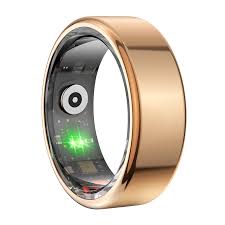
Smart rings demonstrate how wearable technology is becoming smaller and more discreet. Unlike traditional smartwatches, which often feature visible displays, smart rings generally place selected sensors inside a compact ring-shaped design.
Depending on the model, a smart ring may collect information related to activity, heart rate, sleep, or other wellness indicators. Data can then be synchronized with a compatible smartphone application for review.
This design appeals to people who want access to certain tracking features without wearing a watch throughout the day. It may also suit users who prefer traditional wristwatches, simple accessories, or a less screen-focused experience.
Smart rings can be useful during everyday activities because they do not require users to interact with a display constantly. Once configured, supported measurements may be collected automatically.
When researching options, consumers can explore colmi.store to learn about available smart rings and compare their advertised features. Important considerations include ring sizing, sensor availability, battery life, smartphone compatibility, water-resistance specifications, and charging requirements.
Comfort is especially important because a ring must fit appropriately during ordinary movement and, if desired, overnight wear. Users should follow the manufacturer’s sizing and safety guidance rather than selecting a size based only on appearance.
Smart rings are not all identical. Some focus on wellness tracking, while others may provide different combinations of functions. Checking the specifications before purchasing helps ensure that the selected device matches the user’s actual needs.
8. Supporting Productivity at Work and During Study
Wearable technology can make work and study routines more organized by providing small but timely pieces of information.
For example, a smartwatch can display a meeting reminder while someone is preparing documents. A vibration alert can signal the end of a study interval without disturbing other people in a library. A voice assistant, when supported, may allow a user to create a reminder without stopping a task.
Wearables can also help people manage focus by reducing the need to interact with their smartphones. Instead of opening a phone and becoming distracted by unrelated applications, users can check a specific notification directly on their wrist.
Some people use timers to structure focused work periods followed by short breaks. Others rely on activity reminders to avoid remaining seated for extended periods.
These features do not automatically improve productivity, but they can make useful habits easier to maintain.
The key is to configure the device around the task at hand. Someone who needs uninterrupted concentration may prefer to disable most notifications and allow only urgent alerts. A person whose work involves frequent coordination may benefit from more extensive communication features.
Wearable technology is most effective when it reduces friction in an existing routine rather than introducing more digital interruptions.
9. Offering Helpful Wellness Insights
Wearable devices have made certain wellness measurements more accessible by collecting information throughout everyday life.
Depending on the model, a device may record heart rate, resting heart rate trends, activity levels, or estimated recovery-related indicators. Some products also offer additional sensors and specialized measurements.
These features can help users understand how their activity and rest vary over time. For example, someone may notice that their usual activity pattern changes during a particularly busy week or that their resting measurements differ from their typical range.
Such observations can encourage users to reflect on their routines and make appropriate adjustments.
However, wellness data should be interpreted carefully. Wearable sensors can produce inaccurate readings because of movement, fit, skin contact, environmental conditions, or device limitations. A change in a metric does not necessarily indicate a medical problem.
Most consumer wearables are designed for general wellness rather than diagnosing health conditions. People with medical concerns should seek advice from an appropriate healthcare professional instead of relying exclusively on an application’s interpretation.
The practical advantage is convenience: users can review selected information over time without manually collecting every measurement. This can support personal awareness when combined with common sense and a balanced approach.
10. Making Outdoor Activities More Manageable
Outdoor activities often require people to balance navigation, communication, environmental awareness, and personal organization. Wearable technology can help coordinate these needs.
For walkers and runners, compatible devices may record routes, exercise duration, pace, and distance. Cyclists may use selected watches to review performance information, while hikers may benefit from route guidance and weather notifications when available.
Some wearables provide notifications about changing weather conditions through connected applications. These alerts can help users decide when to adjust plans, although forecasts and alerts should always be checked against reliable local information.
Wearable devices may also support location sharing or emergency-related functions on compatible models. Availability can depend on mobile connectivity, GPS hardware, regional services, and subscription requirements.
For people who enjoy spending time outdoors, the convenience lies in having selected information readily accessible. Instead of carrying several separate devices, users may be able to combine a number of basic functions into one wearable.
Nevertheless, technology should not replace sensible preparation. Outdoor enthusiasts should consider battery life, weather resistance, route conditions, communication coverage, and the equipment appropriate for their activity.
A wearable device can be a helpful companion, but its features should complement rather than replace practical planning.
11. Reducing Dependence on Smartphones
Smartphones remain central to modern communication, but constant phone use can interrupt conversations and make simple activities feel more complicated.
Wearable technology provides an alternative for certain quick interactions. A user can check the time, review a reminder, monitor activity, or dismiss an unimportant notification without unlocking a smartphone.
This creates an opportunity to use phones more intentionally.
For example, someone meeting friends might leave their phone in a bag while keeping a smartwatch available for urgent calls. A student might use a timer on a wearable rather than repeatedly opening a phone during a study session.
Smart rings take this concept further by emphasizing discreet data collection instead of screen-based interaction. Their convenience comes from operating with minimal attention, although users generally still need a compatible application to view detailed information.
Wearables do not eliminate the need for smartphones. Many rely on them for initial setup, data synchronization, software updates, and detailed reports.
Instead, they provide a complementary way to access essential functions while reducing unnecessary phone interactions.
12. Improving Personal Organization While Shopping
Shopping involves remembering lists, comparing products, managing budgets, and keeping track of errands. Wearable devices can support these tasks through reminders and connected applications.
A smartwatch may display a shopping list, notify someone about an upcoming errand, or show a reminder to collect a particular item. Voice assistants on supported devices may also allow users to add items without typing.
When a shopping application offers compatible notifications, a wearable may provide delivery updates or order reminders. This can be helpful for people who want to stay informed without constantly checking their phones.
Digital payment features, where supported, can also simplify checkout.
For individuals who manage multiple errands, calendar reminders can help organize shopping trips around work, study, or family responsibilities.
Nevertheless, the most useful features are often the simplest. A short checklist or reminder can save time without requiring advanced technology.
Consumers should also consider battery performance, application compatibility, and the convenience of the interface before choosing a wearable for everyday organization.
13. Making Technology More Accessible
Wearable devices can provide practical assistance for people with different communication and accessibility needs.
Vibration alerts may help users notice notifications in noisy environments. Adjustable text sizes, voice interaction, and customizable alerts can make certain functions easier to use, depending on the device.
Some smartwatches support accessibility tools such as voice commands, audio features, or emergency communication options. These capabilities can be valuable when interacting with a phone screen is inconvenient.
Wearables can also offer reminders that support daily routines, including appointments and scheduled activities.
However, accessibility features vary considerably across products. A compact display may be difficult for some people to read, while a touchscreen may not suit every user. Others may require stronger vibration, clearer audio, or specific compatibility with assistive technologies.
It is therefore important to evaluate devices according to individual requirements rather than assuming every wearable will be equally accessible.
When manufacturers prioritize customization and straightforward controls, wearable technology can help more people interact with digital services in ways that suit their circumstances.
14. Understanding Privacy, Security, and Responsible Use
Although wearable technology offers convenience, collecting personal information introduces important privacy considerations.
Many wearables process information about activity, sleep, heart rate, location, and daily routines. Depending on the device and application, this information may be stored locally, synchronized with a smartphone, or transferred to online services.
Before purchasing a wearable, consumers should review the manufacturer’s privacy policy and understand what information the device collects. They should also check whether data sharing can be limited and whether account security features are available.
Useful precautions include choosing a strong account password, installing software updates, reviewing application permissions, and disabling features that are not needed.
Location sharing deserves particular attention because it may reveal information about travel patterns or frequently visited places.
Users should also avoid treating every notification, score, or recommendation as authoritative. Wearable technology is intended to support decisions, not replace independent judgment.
Responsible use means selecting features that provide genuine benefits while maintaining appropriate control over personal information.
15. Choosing the Right Wearable for Everyday Needs
With so many products available, selecting a suitable wearable begins with identifying the activities that matter most.
A smartwatch may be a good choice for people who want notifications, calendar tools, navigation, and a visible interface. A fitness band may suit users who prioritize activity tracking and straightforward daily measurements. A smart ring may appeal to people who prefer a compact design and selected wellness features.
Before purchasing, consider the following factors:
- Purpose: Decide whether the main priority is communication, activity tracking, sleep insights, productivity, or another specific function.
- Comfort: Check the device’s dimensions, weight, materials, and suitability for extended wear.
- Battery life: Compare expected usage time and charging requirements.
- Compatibility: Confirm that the wearable works with the smartphone and operating system you use.
- Features: Review the exact sensors, applications, and functions included in the product.
- Privacy: Understand how personal information is collected, stored, and shared.
- Cost: Consider the initial price, potential subscription fees, and replacement or accessory expenses.
- Durability: Check the manufacturer’s stated water resistance and care instructions.
People exploring smart rings can visit colmi.store to investigate available products and review their specifications. Comparing features carefully is more useful than choosing a device based solely on appearance or popularity.
The best wearable is not necessarily the one with the largest number of features. It is the one that fits naturally into everyday life and provides benefits that justify its cost.
16. The Future of Convenient Wearable Technology
Wearable technology continues to develop as manufacturers explore smaller components, improved sensors, better battery efficiency, and more intelligent software.
Future devices may provide more personalized notifications, more efficient activity summaries, and smoother integration with other connected products. Improvements in voice interfaces and artificial intelligence may also make certain tasks easier to complete without interacting with a traditional screen.
Smart rings and other compact wearables could become more capable as sensors and processing components evolve. At the same time, smartwatches may continue expanding their communication, navigation, and productivity functions.
Interoperability will also matter. Devices that work smoothly with smartphones, home systems, fitness applications, and digital services can make everyday routines more connected.
However, progress will depend on more than adding features. Battery life, affordability, accuracy, durability, privacy, and ease of use will remain important factors in determining whether new products genuinely improve daily life.
Consumers should also expect differences between advertised capabilities and real-world performance. New features need to be evaluated according to practical usefulness, not simply technical novelty.
As the market expands, platforms such as colmi.store may help interested consumers explore compact wearable options and understand which products match their preferences.
Conclusion
Wearable technology is making everyday activities more convenient by bringing useful digital functions closer to the people who need them. Smartwatches can simplify communication and scheduling, fitness trackers can help users understand movement patterns, and selected devices can support navigation, payments, productivity, and personal organization.
Smart rings offer another approach by combining a compact design with selected tracking features, allowing users to access certain benefits without wearing a screen on their wrist.
These technologies are most valuable when they solve real problems. A reminder that prevents a missed appointment, an activity record that encourages movement, or a notification that avoids an unnecessary phone check can make an ordinary day easier to manage.
At the same time, wearable devices have limitations. Sensor measurements are not always precise, features vary between products, and privacy requires careful attention. Selecting a device should involve comparing its capabilities, compatibility, comfort, and overall cost.
For consumers interested in exploring modern wearable options, colmi.store provides a starting point for researching available smart rings and their advertised features. By choosing technology that fits their needs and using it responsibly, people can make everyday routines more organized, connected, and convenient.