
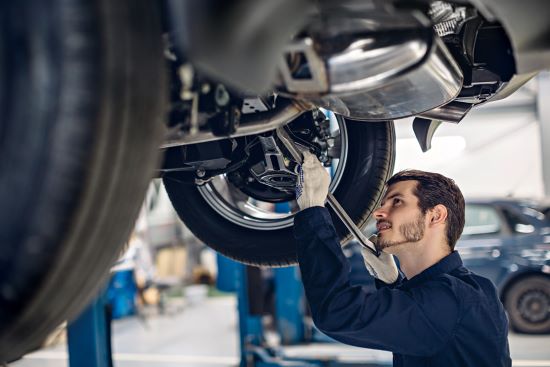
Maintaining your vehicle is essential for its longevity, safety, and performance. One of the most important aspects of vehicle maintenance is regular car service. Yet, many drivers struggle with understanding how frequently their cars should be serviced. From new vehicles to older models, proper scheduling can save you from costly repairs and unexpected breakdowns. In this article, we will explore expert recommendations for carservice, common maintenance intervals, and tips to keep your car in top condition.
Understanding the Importance of Regular Car Service
Regular carservice ensures that your vehicle operates efficiently and safely. During a service appointment, mechanics inspect crucial components like brakes, tires, engine oil, filters, and fluids. Ignoring routine maintenance can lead to mechanical failures, reduced fuel efficiency, and even safety hazards. For instance, worn brake pads or low engine oil levels can cause severe damage over time. Scheduling carservice at the recommended intervals allows for early detection of issues before they become expensive repairs.
Experts also highlight that regular maintenance preserves the resale value of your car. A well-documented service history demonstrates that the vehicle has been properly cared for, making it more appealing to potential buyers. Additionally, vehicles that receive consistent servicing often run more smoothly, offer better fuel efficiency, and reduce the risk of breakdowns, providing peace of mind to drivers.
Manufacturer Recommendations vs. General Guidelines
Vehicle manufacturers typically provide guidelines on carservice frequency. These recommendations can usually be found in the owner’s manual and are based on mileage, age, and driving conditions. Most manufacturers suggest a service interval of every 10,000 to 15,000 kilometers or roughly every 6 to 12 months. However, this can vary depending on the make and model of your vehicle.
It’s essential to follow manufacturer-specific recommendations because modern vehicles often have advanced technology that requires specialized attention. For example, cars with turbocharged engines or hybrid powertrains may have different service needs compared to standard vehicles. Ignoring these recommendations can void warranties and compromise your car’s performance.
For drivers who cannot strictly adhere to manufacturer guidelines, general car service schedules provide a helpful reference. Experts suggest the following typical intervals:
- Every 5,000 to 7,500 kilometers: Oil change, tire inspection, and fluid top-up.
- Every 15,000 to 20,000 kilometers: Brake inspection, battery check, and air filter replacement.
- Every 30,000 to 50,000 kilometers: Transmission service, coolant replacement, and spark plug replacement.
- Every 60,000 to 100,000 kilometers: Timing belt check, major engine tune-up, and suspension inspection.
Following these intervals ensures that your car receives comprehensive care and minimizes the risk of unexpected breakdowns.
Factors Affecting Car Service Frequency
While manufacturer guidelines are helpful, several factors can influence how often you should schedule carservice.
Driving Conditions
Cars driven primarily in urban traffic with frequent stops and starts may require more frequent oil changes and brake inspections. Similarly, vehicles frequently driven on rough terrains or in extreme weather conditions may need additional maintenance.
Vehicle Age
Older vehicles often require more frequent car service. Components wear out over time, and regular inspections can help detect issues such as leaks, worn-out suspension parts, or engine inefficiencies.
Driving Habits
Aggressive driving, such as rapid acceleration, hard braking, or overloading the car, can put extra strain on your vehicle. Drivers with such habits should consider more frequent service appointments.
Environmental Factors
Exposure to extreme temperatures, salty roads in winter, or dusty conditions can accelerate wear and tear. For example, cars in coastal areas may need more frequent inspections due to the corrosive effect of salt on metal components.
Essential Components Checked During Car Service
A proper carservice covers multiple areas to ensure your vehicle is safe and efficient. Here are the key components inspected during a service appointment:
- Engine Oil and Filters: Regular oil changes prevent engine wear and maintain optimal performance.
- Brakes: Pads, discs, and fluid levels are checked for safety.
- Tires: Tread depth, air pressure, and alignment are inspected for stability and fuel efficiency.
- Fluids: Transmission, brake, coolant, and windshield washer fluids are topped up or replaced as needed.
- Battery: Terminals, charge, and overall condition are checked to avoid unexpected failures.
- Lights and Indicators: Headlights, brake lights, and indicators are examined for functionality.
- Suspension and Steering: Components are checked for wear and alignment issues.
- Belts and Hoses: Worn or cracked belts and hoses are replaced to prevent breakdowns.
Regular inspection of these elements ensures your car remains safe, reliable, and efficient on the road.
Tips to Maximize the Benefits of Car Service
Scheduling carservice is only part of the equation. To get the most out of each appointment, consider these expert tips:
- Maintain a Service Log: Keep a record of all maintenance activities. This helps track when the next service is due and adds value if you sell your car.
- Follow the Service Checklist: Ensure your mechanic follows a comprehensive checklist based on your car’s requirements.
- Address Warning Signs Immediately: Strange noises, vibrations, or warning lights should never be ignored. Early attention prevents larger problems.
- Use Genuine Parts: Always request genuine or manufacturer-recommended parts for replacements to maintain performance and longevity.
- Combine Services if Possible: Bundling services such as oil changes, brake checks, and fluid replacements saves time and ensures your car gets thorough attention.
The Role of Technology in Modern Car Service
With advancements in automotive technology, modern cars often include onboard diagnostic systems that alert drivers to maintenance needs. Many service centers also offer digital reminders, service apps, and online booking systems. Utilizing these tools makes scheduling carservice easier and helps maintain adherence to recommended intervals.
Additionally, some vehicles now feature predictive maintenance systems that monitor engine performance, fluid levels, and brake wear in real time. These systems allow for proactive servicing, reducing the risk of unexpected breakdowns and extending vehicle lifespan.
Conclusion
Understanding how often to schedule car service is crucial for maintaining the safety, performance, and value of your vehicle. Following manufacturer guidelines, considering driving habits and environmental factors, and staying proactive about maintenance ensures your car runs efficiently for years to come.
Whether you’re driving a new model or an older vehicle, regular carservice is an investment in peace of mind, safety, and long-term savings. By scheduling timely maintenance and paying attention to warning signs, you can avoid costly repairs and enjoy a smooth driving experience. Remember, your car may be an inanimate object, but with consistent care, it will repay you with reliability and longevity.