
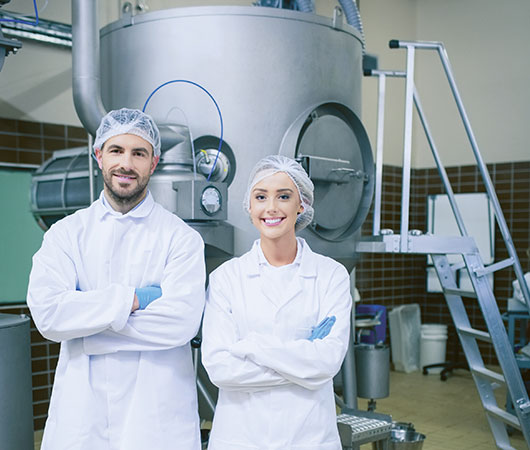
In the modern food processing industry, every detail within a processing facility directly impacts product quality, operational safety, and brand reputation. Among the various controls implemented to maintain high standards, food factory uniforms serve as a critical line of defense. Far more than basic workwear, specialized food factory uniforms act as functional tools designed to protect workers from workplace hazards, prevent product contamination, and foster a unified, professional organizational culture.
The Pillar of Hygiene and Contamination Control
Maintaining strict hygiene standards is a top priority for any food manufacturing facility. The primary purpose of food factory uniforms in cleanroom and processing environments is to prevent human-borne contaminants from coming into contact with food products. Human hair, skin cells, fibers from everyday clothing, and micro-organisms can easily contaminate ingredients or finished goods if not properly contained.
Foreign Body Prevention
Properly designed food factory uniforms minimize the risk of foreign object contamination. Traditional clothing features buttons, exterior pockets, zippers with detachable pulls, or loose threads—all of which pose contamination risks if they detach and fall into open food lines. Specialized workwear addresses these vulnerabilities:
- Pocketless Designs: Eliminating external pockets above the waist prevents items like pens, tools, or personal belongings from dropping into processing machinery.
- Concealed Fasteners: Replacing exterior buttons with internal press studs (snaps) or covered zippers ensures no loose parts can contaminate food products.
- Lint-Free Fabrics: Durable synthetic blends reduce fabric shedding, keeping airborne fibers out of sensitive processing zones.
Microbial Hazard Control
Beyond physical foreign objects, microscopic hazards require equal attention. Food factory uniforms made from high-density, fluid-resistant fabrics create a barrier against moisture, grease, and biological agents. Paired with hairnets, beard covers, and specialized footwear, these garments help isolate processing areas from external pathogens, supporting compliance with Hazard Analysis Critical Control Point (HACCP) principles and Good Manufacturing Practices (GMP).
Safety Features for High-Risk Environments
Food production plants present diverse environmental challenges, ranging from wet washdown zones and high-temperature baking areas to cold storage rooms and fast-moving automated machinery. Consequently, safety features integrated into food factory uniforms must adapt to specific operational risks.
Mechanical and Thermal Protection
Workers handling heavy machinery, cutting equipment, or industrial ovens face potential physical risks daily. Specialized garment designs address these environmental factors:
- Snag-Resistant Fit: Tailored fits prevent excess fabric from catching in conveyor belts, mixers, or packaging machinery.
- Heat and Flame Resistance: In high-heat areas like industrial bakeries or frying stations, garments treated with flame-retardant finishes protect personnel from thermal hazards and oil splashes.
- Thermal Insulation: For employees operating in cold storage, freezer units, or chilled prep rooms, insulated layers maintain core body temperature without compromising mobility.
Fluid Management and Slip Resistance
In wet processing environments—such as meat packing or dairy production—liquids and chemical cleaning agents are present constantly. High-quality food factory uniforms utilize fluid-repellent treatments that keep workers dry and comfortable. Additionally, integrating slip-resistant footwear into the uniform policy reduces slip-and-fall injuries on wet or oily floor surfaces.
Enhancing Team Identity and Operational Structure
While hygiene and safety represent the primary technical functions of food factory uniforms, their impact on workplace culture and operational efficiency is equally significant. A cohesive uniform program helps establish clear visual hierarchy, reinforces professional pride, and streamlines management oversight.
Visual Management and Zone Color-Coding
In large manufacturing plants, cross-contamination between raw ingredient handling and high-care finished product zones poses a major risk. Implementing color-coded food factory uniforms provides a clear visual management solution:
| Processing Zone | Uniform Color | Operational Purpose |
| Raw Material Handling | Blue / Navy | Identifies personnel working with unprocessed ingredients |
| High-Care / Ready-to-Eat | White / Light Blue | Highlights strict hygiene requirements and reveals stains quickly |
| Sanitation & Maintenance | Dark Green / Grey | Distinguishes utility and cleaning crews from food handlers |
| Visitors & Quality Assurance | Yellow / High-Vis | Easily tracks temporary or inspecting personnel on the shop floor |
This visual demarcation allows supervisors to instantly spot unauthorized personnel in restricted or high-care processing areas, dramatically reducing cross-contamination risks.
Building Professional Pride and Equity
When every employee wears well-fitted, clean, and functional garments, it fosters a sense of equality and shared responsibility across teams. Wearing dedicated food factory uniforms reinforces the mindset that workers are entering a controlled, professional environment where attention to detail matters. This shared visual identity builds team cohesion and instills pride in maintaining high safety and quality standards.
Key Considerations for Material Selection and Maintenance
Investing in the right workwear requires balancing initial procurement costs with long-term durability and compliance. Fabric selection and laundering protocols determine the overall effectiveness of a uniform program.
Fabric Durability and Comfort
Because food industry garments undergo frequent, high-temperature industrial laundering to eradicate bacteria, the fabric must withstand aggressive washing cycles without degrading:
- Polyester-Cotton Blends: Combining the breathability of cotton with the strength and color retention of polyester offers an optimal balance of comfort and longevity.
- 100% Synthetic Fabrics: Often preferred in ultra-clean zones due to minimal lint creation and superior moisture-wicking properties.
- Ergonomic Design: Stretch panels and action-backs ensure freedom of movement, reducing worker fatigue during repetitive tasks.
Professional Laundering Protocols
Home laundering of food factory uniforms is strongly discouraged across the industry due to the risk of cross-contamination from home environments and inconsistent wash temperatures. Partnering with certified commercial laundry services ensures garments are thermal-disinfected, inspected for repairs, and delivered in sealed, hygienic packaging ready for deployment.
Elevating Operational Standards Through Strategic Workwear
The implementation of specialized food factory uniforms is far more than a basic regulatory requirement—it is a foundational strategy for modern food safety, employee protection, and operational clarity. By combining contamination prevention features, robust physical safeguards, and clear visual organization, thought-driven uniform programs protect both the consumer and the workforce while reinforcing a culture of quality throughout the facility.