
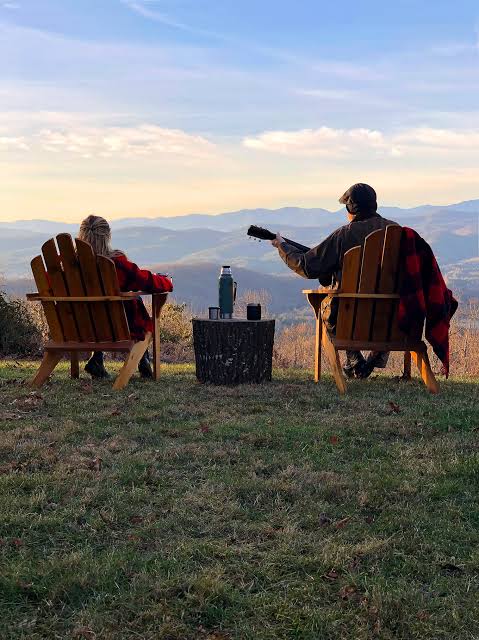
Enjoying the outdoors is one of the simplest ways to take a break from busy routines and reconnect with the world around us. Whether you prefer walking through Stephen Gleave Ancaster a peaceful park, hiking along a mountain trail, relaxing beside a lake, or spending time in your own backyard, outdoor activities offer countless opportunities for exploration and relaxation. You do not need expensive equipment or complicated plans to enjoy nature. Sometimes, a comfortable pair of shoes and a little free time are enough to create a memorable experience.
Why Enjoying the Outdoors Matters
Modern life often involves long hours indoors, digital devices, school or work responsibilities, and busy schedules. Spending time outside provides a change of environment and gives people an opportunity to slow down. Fresh air, natural scenery, sunlight, and open spaces can make outdoor experiences refreshing and enjoyable.
Outdoor activities can also encourage people to stay active. Walking, cycling, hiking, swimming, gardening, and recreational sports are examples of activities that combine movement with time in nature. Instead of treating exercise as a separate task, people can make physical activity part of an enjoyable outdoor experience.
Nature also provides opportunities for observation and learning. A simple walk can introduce you to different plants, birds, insects, landscapes, and seasonal changes. The more time you spend outdoors, the more details you may notice.
Simple Ways to Enjoy the Outdoors
You do not need to travel far to experience nature. Local parks, walking paths, gardens, beaches, forests, and open spaces can all provide enjoyable outdoor experiences. The best activity often depends on your interests and the environment available nearby.
Walking is one of the easiest choices. A short walk in the morning or evening can provide an opportunity to explore your surroundings. You can walk alone, with friends, or with family members. Taking a slower pace can also help you notice scenery that you might normally overlook.
Cycling is another popular outdoor activity. A bicycle can turn an ordinary trip into an opportunity for exploration. Dedicated cycling paths and quiet routes are especially useful for people who want to enjoy the surroundings while staying active.
For those who enjoy adventure, hiking can provide a deeper connection with nature. Trails range from easy paths suitable for beginners to challenging routes requiring more preparation. Choosing a trail that matches your experience level is important for a comfortable and enjoyable outing.
Spending Time With Family and Friends
Enjoying the outdoors can become even more meaningful when shared with other people. Families can organize picnics, nature walks, outdoor games, or simple weekend trips. Children can explore their surroundings, observe wildlife, and learn about plants while spending less time with screens.
Friends can also plan outdoor activities that encourage conversation and teamwork. A group hike, cycling trip, camping weekend, or visit to a scenic location can create lasting memories.
Outdoor gatherings do not need to be complicated. A picnic blanket, some food, water, and a suitable location may be all that is required. The main goal is to spend quality time together in a natural environment.
Outdoor Hobbies to Explore
There are many hobbies that can make outdoor time more interesting. Birdwatching, photography, fishing, gardening, camping, and nature journaling are just a few examples.
Photography allows people to capture landscapes, wildlife, plants, sunsets, and other interesting scenes. You do not necessarily need professional equipment. A smartphone can be enough to begin learning how to photograph nature.
Gardening is another rewarding way to spend time outside. Growing flowers, vegetables, herbs, or small plants can introduce people to natural cycles and provide a hands-on activity. Even a small balcony or backyard can become a place for gardening.
Birdwatching can also turn an ordinary walk into an educational experience. Paying attention to bird calls, colors, movements, and habitats encourages patience and observation.
Preparing for Outdoor Activities
Good preparation can make outdoor experiences more comfortable. Before leaving, consider the weather, location, activity, and amount of time you plan to spend outside. Comfortable clothing and suitable footwear are important, particularly when walking or hiking.
It is also helpful to bring enough drinking water and appropriate food for longer activities. Depending on the destination, useful items may include sunscreen, insect protection, a hat, a small first-aid kit, and a fully charged phone.
If you are visiting an unfamiliar area, learn about the route beforehand and tell someone where you are going when appropriate. For longer trips, checking weather conditions and local guidelines can help you prepare properly.
Respecting Nature
Enjoying the outdoors comes with a responsibility to protect natural spaces. Visitors should avoid leaving litter behind and should use designated paths whenever possible. Taking plants, disturbing wildlife, or damaging natural features can negatively affect the environment.
Following the principles of responsible outdoor recreation helps preserve natural areas for future visitors. Simple habits such as carrying your rubbish home, keeping noise under control, respecting wildlife, and following local rules can make a significant difference.
The idea of leaving an area as you found it is especially valuable. Nature is shared by many people, animals, and future generations, so responsible behavior helps maintain its beauty and health.
Making Outdoor Time Part of Everyday Life
You do not need to wait for a holiday or weekend trip to enjoy nature. Small outdoor moments can become part of everyday life. You might eat lunch outside, take a short walk after work or school, read a book in a garden, or spend a few minutes watching the sunset.
Creating a regular outdoor routine can make it easier to maintain the habit. Some people prefer early morning walks, while others enjoy outdoor activities in the evening. The best schedule is one that fits naturally into your lifestyle.
You can also vary your activities to prevent outdoor time from becoming repetitive. One day might involve walking, another could include photography, and another might be dedicated to gardening or cycling.
Exploring New Places
One of the most exciting aspects of enjoying the outdoors is discovering new locations. A nearby park that you have never visited, a different hiking trail, or a new beach can provide a fresh experience without requiring extensive travel.
When exploring unfamiliar places, responsible planning is important. Learn about access rules, weather conditions, terrain, and available facilities. Staying within suitable areas and following local guidance can help make exploration safer and more enjoyable.
You can also keep a simple record of places you visit. Taking photographs or writing short notes about your experiences can encourage you to continue exploring.
Conclusion
Enjoying the outdoors is accessible to almost everyone and can take many forms. From peaceful walks and gardening to hiking, cycling, photography, and family picnics, there are countless ways to spend meaningful time outside.
The key is not how far you travel or how much equipment you own. What matters is making time to experience your surroundings, remain active, appreciate nature, and share memorable moments with others. By preparing thoughtfully and respecting the environment, you can make outdoor activities a rewarding part of everyday life.
Whether you spend ten minutes in a local park or an entire weekend exploring a new landscape, enjoying the outdoors offers a simple opportunity to step away from routine and experience the natural world.