
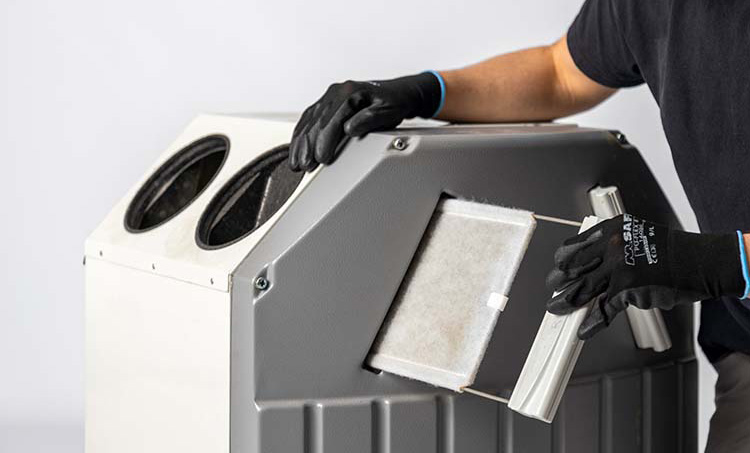
For every property owner, maintaining a comfortable, healthy, and energy-efficient indoor environment is an important responsibility. One of the simplest yet most effective ways to support good indoor air quality is to maintain the ventilation system properly. At the center of this system are ventilation filters, which help capture dust, pollen, dirt, and other airborne particles before they circulate throughout a building. However, even the highest-quality filter cannot work effectively forever. Regular filter replacement is essential for maintaining proper airflow, protecting equipment, and supporting cleaner indoor air.
Understanding when and why to replace ventilation filters can help property owners avoid unnecessary problems and expenses. Whether you manage a residential property, office, commercial building, or industrial facility, knowing the basics of filter replacement can make a significant difference in the long-term performance of your ventilation system.
Why Ventilation Filters Are Important
Ventilation filters serve a critical purpose in modern heating, ventilation, and air conditioning systems. As air moves through a ventilation system, the filter captures unwanted particles that would otherwise enter indoor spaces or accumulate inside the equipment. Depending on the type and efficiency of the filter, it may remove different levels of airborne contaminants.
Clean filters can contribute to better indoor air quality by reducing the amount of dust and particulate matter circulating through rooms. This can be particularly valuable in properties where people spend many hours indoors. A well-maintained filtration system can also help prevent dust from settling excessively on furniture, floors, and other surfaces.
Filters also protect ventilation equipment. When dirt and debris enter mechanical components, they can contribute to wear and reduce system efficiency. Replacing a dirty filter at the appropriate time is therefore not only an air-quality measure but also an important part of equipment maintenance.
How Often Should Filters Be Replaced?
There is no single replacement schedule that works for every property. The ideal frequency depends on several factors, including the filter type, building occupancy, outdoor air quality, ventilation system design, and environmental conditions.
Some properties may require filter replacement every one to three months, while others may be able to use a filter for longer. Buildings located in areas with high levels of dust, pollution, or construction activity may need more frequent replacements. Similarly, properties with pets, smokers, or high occupancy levels may experience faster filter loading.
Property owners should always follow the recommendations provided by the ventilation system manufacturer and filter supplier. However, these recommendations should be treated as a starting point rather than an absolute rule. Regular visual inspections can help determine whether a filter needs to be replaced sooner.
Signs That a Filter Needs Replacement
One of the clearest signs of a dirty filter is visible dust and discoloration. A filter that appears heavily loaded with dirt may no longer be allowing air to pass through efficiently. Reduced airflow from vents can also indicate that the filtration system is becoming restricted.
Other warning signs may include increased energy consumption, unusual system operation, excessive dust indoors, or inconsistent temperatures between different areas of the property. In some cases, the ventilation equipment may need to work harder to maintain the desired airflow when the filter becomes clogged.
Property owners should avoid waiting until a filter is completely blocked before replacing it. Preventive replacement is generally more effective than allowing a restricted filter to affect the entire ventilation system.
Choosing the Right Filter
Not all ventilation filters are designed for the same purpose. Filters are available in different sizes, materials, and efficiency levels, so selecting the correct product is essential. The replacement filter should match the specifications of the ventilation system and the requirements of the property.
In Germany, for example, property owners may encounter filter classifications such as G4, M5, F7, and F8 for ventilation applications. These classifications represent different levels of filtration performance and are selected according to the needs of the ventilation system.
A higher-efficiency filter is not automatically the best choice for every system. More efficient filtration can sometimes create greater resistance to airflow, so the ventilation equipment must be capable of operating correctly with the selected filter. Using an unsuitable filter may reduce system performance or increase operating costs.
Consider Air Quality Requirements
The right filter should also reflect the property’s specific air-quality requirements. A small residential property may have different needs from a busy office, school, healthcare facility, or industrial building. Property owners should consider factors such as occupancy, local air pollution, dust levels, and the sensitivity of building occupants.
When uncertain, it is useful to consult a qualified ventilation professional or refer to the equipment manufacturer’s specifications. This helps ensure that the selected filter provides appropriate filtration without unnecessarily restricting airflow.
The Consequences of Delaying Replacement
Ignoring filter replacement can create several problems over time. As dirt accumulates, the filter becomes increasingly restrictive. The ventilation system may then need to operate for longer periods or work harder to move the required amount of air.
This increased workload can contribute to higher energy consumption. In addition, excessive resistance may place additional strain on fans, motors, and other system components. Over time, this can potentially increase maintenance requirements and shorten equipment life.
A neglected filter can also reduce indoor comfort. Poor airflow may result in uneven temperatures and inadequate ventilation in certain areas. In properties where maintaining consistent indoor conditions is important, this can become a noticeable issue.
Regular replacement is therefore a relatively simple maintenance task that can help prevent larger operational problems.
Creating a Practical Replacement Schedule
Property owners can make filter maintenance easier by creating a consistent replacement schedule. Instead of relying entirely on memory, record the date when each filter is installed and establish a routine inspection interval.
For example, a property manager may inspect filters monthly and replace them according to their condition and the manufacturer’s recommendations. High-use properties may benefit from more frequent inspections, while lightly occupied buildings may require less frequent attention.
Keeping replacement filters readily available can also prevent delays. When the correct filter is already in stock, maintenance personnel can replace it immediately when inspection shows that it is necessary.
Keep Maintenance Records
Maintaining simple records can provide valuable information over time. Property owners can document filter sizes, filter classifications, installation dates, replacement dates, and observations about filter condition.
These records can help identify patterns. If filters consistently become heavily loaded earlier than expected, the property may have unusually high dust levels or another issue affecting indoor air quality. Maintenance records can also help property managers plan budgets and schedule routine servicing.
Professional Maintenance and Filter Replacement
Although replacing many standard filters is a straightforward task, professional maintenance may be appropriate for complex ventilation systems. Larger commercial and industrial systems can include multiple filter stages, specialized equipment, and technical requirements.
A qualified professional can inspect the entire system, verify airflow, check filter installation, and identify potential mechanical problems. This is particularly important when a system continues to show poor airflow or unusual performance even after a new filter has been installed.
Professional inspections can complement routine filter replacement rather than replace it. Property owners should still maintain regular monitoring and ensure that filters are changed when required.
How Proper Replacement Supports Efficiency
Clean ventilation filters can help a system operate with less airflow resistance than a heavily clogged filter. This can support efficient operation and help the equipment deliver the required amount of air.
Energy efficiency is especially important for property owners managing large buildings, where ventilation systems may operate for many hours every day. Even small maintenance improvements can contribute to better long-term operational performance.
However, efficiency should always be balanced with filtration needs. Choosing an appropriate filter for the system is essential. The goal is to achieve effective particle removal while maintaining suitable airflow and system performance.
Final Thoughts
Filter replacement is one of the most important routine maintenance tasks for any property owner responsible for a ventilation system. Clean and correctly selected ventilation filters can help support indoor air quality, protect equipment, maintain airflow, and contribute to efficient operation.
The best approach is to inspect filters regularly, follow manufacturer recommendations, select the correct filter classification, and replace filters before excessive dirt buildup causes problems. Property owners should also consider the unique conditions of their buildings, including occupancy, dust levels, outdoor pollution, and system usage.
Whether a property uses G4, M5, F7, F8, or another suitable filter type, consistent maintenance remains essential. A proactive replacement strategy can help reduce avoidable maintenance issues while supporting a cleaner, more comfortable, and better-performing indoor environment. For property owners, investing attention in regular filter replacement is a simple step that can provide meaningful benefits for both the ventilation system and the people who depend on it.