
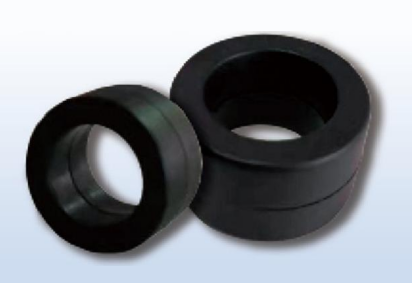
Amorphous core transformers have become increasingly important in the field of electrical engineering, particularly for applications requiring high efficiency and reliable performance. These transformers, distinguished by their unique core material, are designed to reduce energy losses and improve overall system efficiency. Understanding their structure, function, and advantages is essential for industries looking to optimize power supply systems. One key element in this technology is the amorphous core for robust power supplies, which ensures reliability and long-term performance in demanding electrical environments.
What Are Amorphous Core Transformers?
Unlike conventional transformers that use silicon steel cores, amorphous core transformers are constructed with an alloy that has a non-crystalline structure. This material, typically made from a mix of iron, boron, and other metals, is produced in thin ribbons and then laminated to form the transformer core. The lack of a crystalline structure reduces the magnetic hysteresis losses, which are a primary source of inefficiency in traditional transformers.
The amorphous core for robust power supplies provides a solid foundation for minimizing these losses. This design allows transformers to operate with less heat generation, resulting in improved energy efficiency and reduced cooling requirements. Additionally, the thin laminated structure ensures that eddy current losses are minimized, further enhancing the transformer’s performance.
Key Features of Amorphous Core Transformers
Amorphous core transformers offer several features that distinguish them from conventional designs:
- Low Core Losses: The unique material properties of the amorphous core drastically reduce core losses, making these transformers ideal for continuous operation in power distribution systems.
- High Efficiency: With lower energy losses, these transformers achieve higher efficiency ratings, often exceeding 98% in typical applications.
- Reduced Noise: The non-crystalline structure of the core decreases magnetostriction, resulting in quieter operation.
- Thermal Stability: Amorphous cores generate less heat, which reduces the risk of overheating and extends the transformer’s operational life.
- Environmental Benefits: Lower energy losses translate to reduced carbon emissions, aligning with sustainability initiatives in modern power systems.
By integrating an amorphous core for robust power supplies, engineers can design systems that not only save energy but also deliver consistent and reliable performance in critical applications.
Performance Advantages
The performance benefits of amorphous core transformers extend beyond simple efficiency improvements. They offer tangible operational advantages across a variety of applications:
Energy Efficiency and Cost Savings
One of the primary benefits of amorphous core transformers is their exceptional energy efficiency. Traditional silicon steel transformers experience significant energy losses due to hysteresis and eddy currents. By contrast, the amorphous alloy in these transformers significantly lowers these losses, resulting in cost savings for both industrial and commercial users. Over time, these savings can offset the higher initial investment required for amorphous core technology.
Enhanced Reliability
Reliability is crucial in power supply systems, particularly for industries that depend on uninterrupted electricity. The amorphous core for robust power supplies minimizes overheating and reduces thermal stress on transformer components. This enhanced reliability ensures continuous operation, reduces maintenance needs, and prolongs the lifespan of the equipment.
Reduced Environmental Impact
Amorphous core transformers align well with environmental objectives. Their higher efficiency reduces electricity wastage, which in turn decreases the carbon footprint of power generation. For utilities and corporations committed to sustainable practices, investing in these transformers demonstrates a tangible step toward greener energy consumption.
Quiet Operation
Noise reduction is another noteworthy benefit. Traditional transformers often produce a humming sound due to magnetostriction in the core. Amorphous core transformers mitigate this effect, resulting in quieter operation, which is particularly valuable in urban areas or settings where low noise levels are essential.
Versatility Across Applications
Amorphous core transformers are versatile and can be used in various applications, including:
- Power distribution in residential, commercial, and industrial sectors
- Renewable energy systems, such as solar and wind power
- Data centers and critical IT infrastructure requiring reliable power
- Industrial machinery and automation systems
The amorphous core for robust power supplies ensures that these transformers deliver consistent performance even under variable load conditions, making them suitable for high-demand applications.
Technological Considerations
When designing or selecting an amorphous core transformer, several technical factors should be considered:
- Core Material Quality: The composition and thickness of the amorphous ribbons directly impact efficiency and performance.
- Lamination Technique: Proper lamination reduces eddy current losses and ensures stable magnetic properties.
- Cooling Mechanisms: While amorphous cores generate less heat, adequate cooling is still necessary to maintain optimal performance in high-load scenarios.
- Cost-Benefit Analysis: Initial costs for amorphous core transformers are higher than conventional transformers, but long-term energy savings and operational benefits often justify the investment.
Understanding these factors helps engineers and facility managers make informed decisions about adopting this technology.
Future Trends
The demand for energy-efficient and environmentally friendly transformers is likely to increase. Advances in material science may lead to even thinner and more efficient amorphous cores, further reducing losses and improving reliability. Additionally, integration with smart grid technology and real-time monitoring systems can enhance performance and predictive maintenance, making amorphous core transformers an increasingly attractive option for modern power systems.
Conclusion
Amorphous core transformers represent a significant advancement in transformer technology. By utilizing a non-crystalline alloy, these transformers achieve remarkable reductions in core losses, improved efficiency, and quieter operation. The integration of an amorphous core for robust power supplies ensures reliability and performance in a wide range of applications, from industrial machinery to renewable energy systems.
Investing in amorphous core transformers provides both operational and environmental benefits, making them a smart choice for industries seeking to optimize energy use while maintaining high standards of reliability. As technology continues to advance, the adoption of amorphous core transformers is expected to grow, driving efficiency improvements and supporting sustainable energy initiatives worldwide.
The combination of efficiency, durability, and environmental friendliness makes amorphous core transformers a key component for modern power supply systems, ensuring that industries can meet both economic and ecological goals.