
The Rise of Independence in the Beauty Industry
The beauty industry has undergone a major transformation over the past decade, driven largely by professionals who want more control over their careers. Instead of working in traditional salons where schedules, pricing, and branding are controlled by owners, many beauty experts are now choosing independence. One of the biggest reasons for this shift is the growing popularity of the Salon suite model.
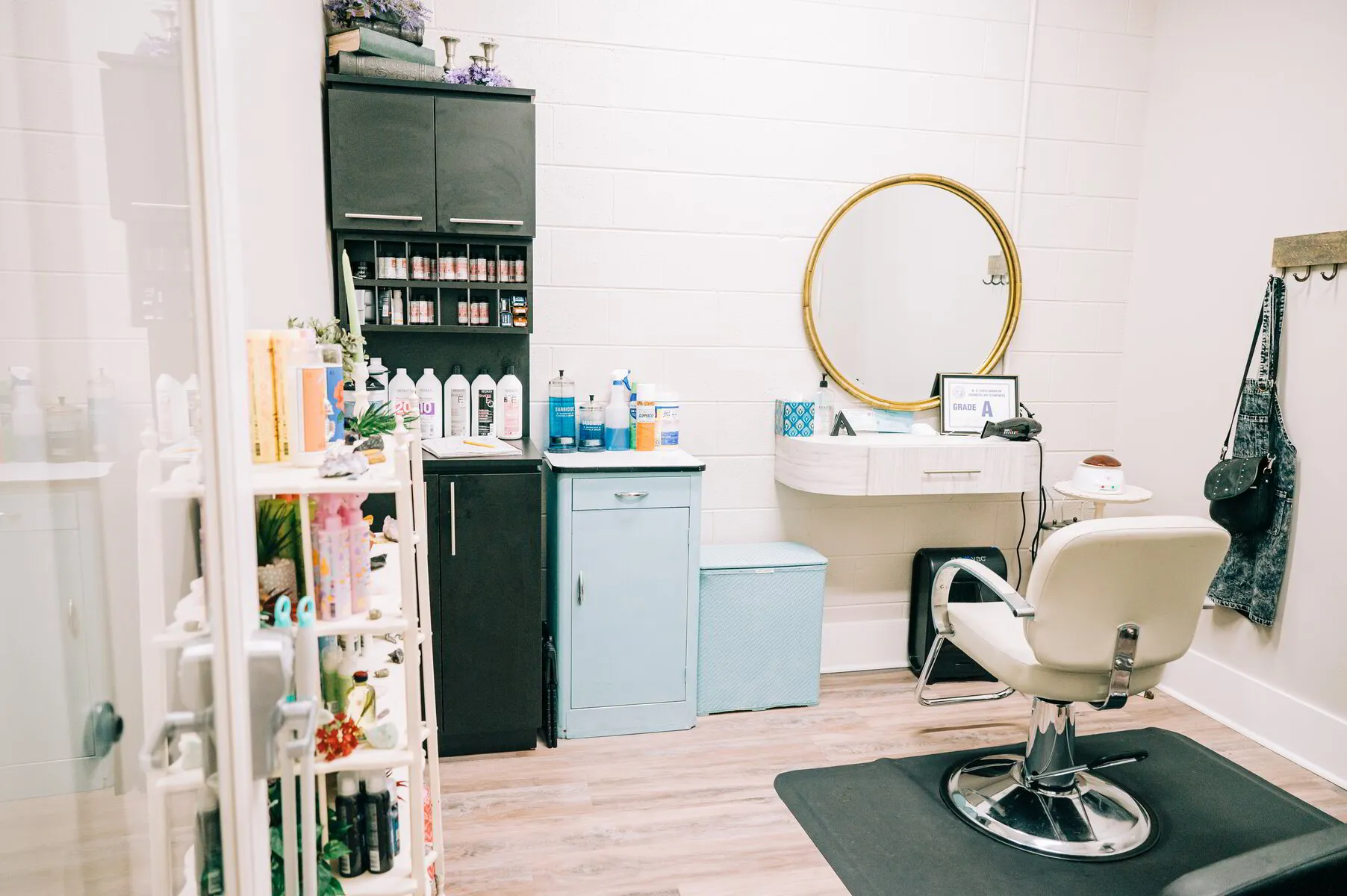
A Salon suite is a private, fully equipped space that beauty professionals can rent to run their own business. It gives them the freedom to operate like independent entrepreneurs while still enjoying the infrastructure of a professional salon environment. This hybrid approach has completely reshaped how hairstylists, estheticians, nail technicians, lash artists, and barbers build their careers.
What Makes Salon Suite Rentals So Attractive
The traditional salon model often comes with limitations. Professionals typically share revenue with salon owners, follow strict scheduling rules, and have little control over branding or client experience. In contrast, a Salon suite offers autonomy.
Inside a Salon suite, professionals can set their own prices, choose their working hours, design their space, and build their own brand identity. This level of control is especially appealing to experienced beauty workers who already have a loyal client base and want to maximize their earnings.
Another major advantage is privacy. Clients often prefer one-on-one attention without the distractions of a busy salon floor. A private suite creates a more personalized and relaxing experience, which can lead to stronger client relationships and higher retention rates.
Financial Freedom and Business Ownership
One of the biggest changes brought by Salon suite rentals is financial independence. Instead of splitting income with a salon owner, professionals keep all their service earnings after paying a fixed rental fee.
This structure makes income more predictable and scalable. Once a professional builds a strong client base, their profits can increase significantly without needing to increase hours. Many beauty entrepreneurs see this as a stepping stone toward full business ownership.
A Salon suite also reduces financial risk compared to opening a full salon. There is no need to invest heavily in renovation, large equipment purchases, or hiring staff. This lower barrier to entry allows more professionals to transition into entrepreneurship.
Flexibility and Work-Life Balance
Flexibility is one of the most powerful advantages of the Salon suite model. Beauty professionals can design their schedules around their lifestyle rather than being tied to fixed salon shifts.
This flexibility is especially important for parents, students, or professionals balancing multiple income streams. Being able to choose working hours helps reduce burnout and improves job satisfaction.
In addition, suite owners can decide how many clients they want to take per day. This control over workload leads to better service quality, as professionals can focus more attention on each client instead of rushing through appointments.
Branding and Client Experience Control
In a traditional salon, branding is usually uniform across all staff members. However, in a Salon suite, each professional becomes their own brand.
From interior décor to music, lighting, scent, and customer service style, everything can be customized. This helps professionals create a unique identity that stands out in a competitive market.
Clients often remember experiences more than services. A personalized Salon suite environment allows beauty professionals to craft a signature experience that reflects their personality and expertise. Over time, this helps build strong word-of-mouth marketing and social media presence.
The Impact on Client Relationships
Stronger client relationships are one of the most noticeable outcomes of the Salon suite trend. Since appointments are typically one-on-one, clients feel more valued and heard.
There is also consistency in service. Clients usually see the same professional every time, which builds trust and loyalty. This is different from larger salons where clients may be rotated between different stylists.
Many clients also appreciate the privacy of a Salon suite. It feels more exclusive and less chaotic than a crowded salon environment. This emotional comfort often leads to long-term client retention and higher spending per visit.
Technology and the Growth of Independent Beauty Businesses
Technology has played a major role in supporting the rise of Salon suite businesses. Online booking systems, digital payment platforms, and social media marketing make it easier than ever for independent professionals to manage and grow their businesses.
Instagram, TikTok, and Facebook allow beauty professionals to showcase their work, attract new clients, and build personal brands. Combined with the independence of a Salon suite, these tools create a powerful ecosystem for growth.
Many professionals also use CRM tools to track appointments, manage client preferences, and send reminders. This level of organization was once only available in large salon chains but is now accessible to solo entrepreneurs.
Challenges of the Salon Suite Model
While the Salon suite model offers many advantages, it also comes with challenges. Independent professionals are responsible for everything, including marketing, taxes, inventory, and customer service.
Unlike traditional salons, there is no receptionist or manager to handle administrative tasks. This means professionals must develop business skills in addition to their technical beauty expertise.
Another challenge is building a client base from scratch. Without the foot traffic of a busy salon, success depends heavily on self-promotion and reputation building.
Why the Salon Suite Trend Is Growing Globally
Despite the challenges, the Salon suite model continues to grow rapidly. The shift toward entrepreneurship and flexible work culture is a major driving force.
Younger generations of beauty professionals value independence more than job security in traditional salons. They prefer building their own brands rather than working under someone else’s name.
At the same time, clients are increasingly drawn to personalized services. This demand aligns perfectly with the private, customized experience offered by Salon suite environments.
As a result, Salon suite businesses are expanding in cities around the world, transforming how beauty services are delivered.
The Future of Independent Beauty Professionals
The future of the beauty industry is becoming increasingly decentralized. Instead of large salons dominating the market, more professionals are choosing independent paths through Salon suite rentals.
This shift is creating a more diverse and competitive industry where creativity, personal branding, and customer experience matter more than traditional hierarchy.
In the coming years, we can expect even more innovation in Salon suite designs, digital tools, and service customization. Independent professionals will likely continue to push boundaries and redefine what it means to run a beauty business.
Conclusion
The rise of the Salon suite model has fundamentally changed the beauty industry by empowering professionals to become independent business owners. It offers financial freedom, flexibility, personalization, and stronger client relationships.
While it requires responsibility and business skills, the benefits far outweigh the challenges for many professionals. As demand for personalized beauty experiences continues to grow, Salon suite rentals will remain a powerful force shaping the future of the industry.