
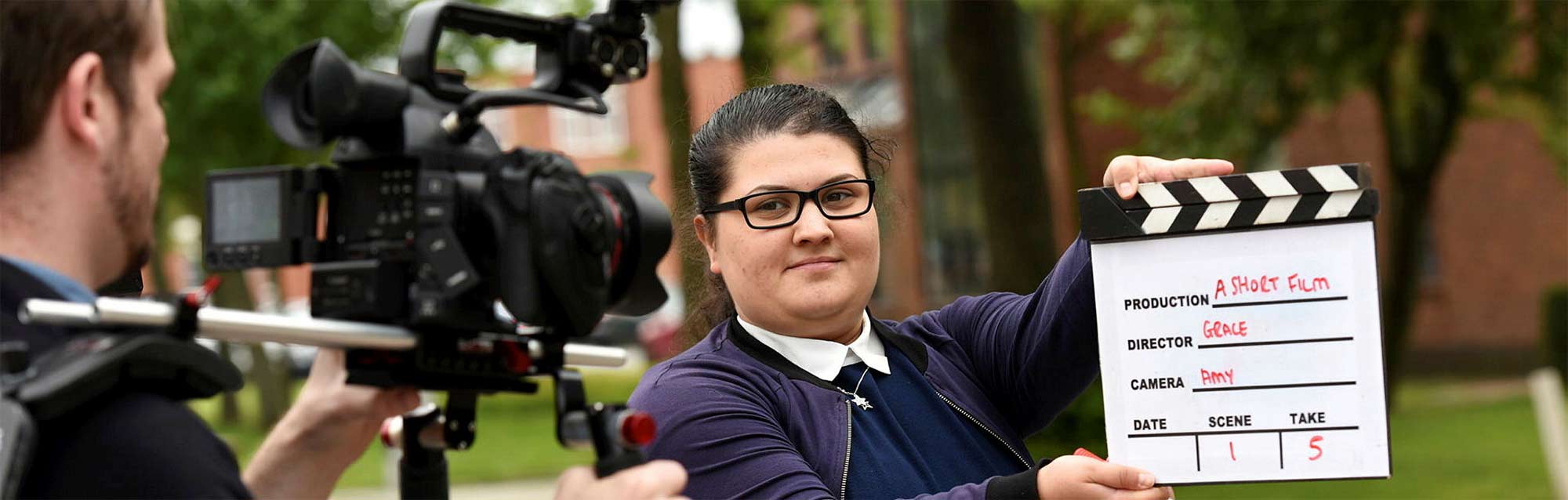
Professional filmmaking is a complex creative process that depends on the coordinated efforts of directors, actors, cinematographers, editors, costume designers, production teams, and many other specialists. While audiences often focus on performances, visuals, dialogue, and storytelling, one technical element quietly holds the entire production together: continuity. Continuity ensures that scenes remain consistent from one shot to another, allowing viewers to follow the story without becoming distracted by unexplained changes. In professional filmmaking, strong continuity is essential for maintaining realism, protecting the director’s vision, and creating a polished final production Bardya.
Understanding Continuity in Filmmaking
Continuity refers to maintaining consistency throughout the different scenes and shots of a film. A character’s clothing, hairstyle, position, props, lighting, weather conditions, and even the amount of food on a plate may need to remain consistent between takes. Since films are rarely shot in chronological order, continuity becomes especially important.
For example, a character might enter a room wearing a jacket in one shot and appear without it in the next. If the change has no explanation, viewers may immediately notice the mistake. Professional continuity teams carefully monitor such details to prevent these inconsistencies from appearing in the final edit.
Why Continuity Matters to Storytelling
A film is ultimately a visual storytelling experience, and continuity supports the flow of that story. When every shot connects naturally with the next, audiences can concentrate on the characters, emotions, and narrative rather than technical mistakes.
Good continuity creates an invisible connection between shots. The audience should feel as though events are happening naturally, even when scenes were filmed days or weeks apart. This seamless experience strengthens immersion and helps viewers accept the fictional world presented on screen.
Continuity also supports character development. If a character has a noticeable injury, carries an important object, or changes their appearance during a specific part of the story, those details need to be accurately tracked. A continuity error can weaken the meaning of an important scene.
The Role of the Script Supervisor
The script supervisor plays a central role in maintaining continuity during professional filmmaking. This person carefully observes each take and records important details that may affect later shots or scenes.
Script supervisors may document the actor’s movements, dialogue variations, camera angles, props, wardrobe, eyelines, gestures, and timing. Their notes become valuable references for directors, editors, actors, and other members of the production team.
Because filming can involve multiple takes from different angles, remembering every detail can be extremely difficult. The script supervisor provides a reliable record that helps the production maintain consistency throughout the shooting process.
Continuity Between Camera Shots
Camera continuity is another important part of professional filmmaking. The position and movement of actors must correspond correctly from one shot to another. Filmmakers commonly follow principles such as the 180-degree rule to maintain spatial clarity.
If a character looks toward the right side of the screen in one shot but suddenly appears to look in the opposite direction without a logical reason, the audience may become confused about the character’s position.
Matching action is equally important. If an actor reaches for a door handle during one take, the movement should align properly when the scene cuts to another camera angle. Editors depend on these matching actions to create smooth transitions.
Costume and Makeup Continuity
Wardrobe and makeup can significantly influence continuity. Professional productions often photograph actors before and after scenes to document their exact appearance. This helps costume and makeup departments recreate the same look when scenes are filmed on different days.
Details such as buttons, accessories, hairstyles, makeup patterns, dirt, sweat, and injuries can become important. In action sequences, for example, a character may gradually become covered in dust or blood. If the sequence is filmed across several days, those details must be carefully matched.
Props and Set Continuity
Props are another major source of continuity challenges. Objects used by characters need to appear in the correct locations and conditions. A phone, glass, book, weapon, bag, or piece of furniture can become an important visual reference.
Set continuity is equally important. Furniture, decorations, photographs, lighting fixtures, and other background elements should remain consistent unless the story specifically calls for a change. Production photographers and continuity records help departments recreate sets accurately.
Continuity and the Editing Process
Editors rely heavily on continuity when assembling a film. During post-production, an editor may combine footage captured from several takes and camera angles. If continuity is inconsistent, finding usable combinations can become difficult.
Strong continuity gives editors greater creative freedom. When actions, performances, props, and visual details match, editors can choose the best takes without being limited by obvious inconsistencies.
This is particularly important in dialogue scenes. Editors frequently switch between wide shots, medium shots, and close-ups. Matching performance details allows these cuts to feel natural and emotionally effective.
The Importance of Communication
Continuity cannot be maintained by one person alone. Effective communication between departments is essential. Directors, assistant directors, cinematographers, actors, costume teams, makeup artists, set designers, and editors all contribute to maintaining consistency.
Modern productions often use detailed continuity photographs, digital notes, production reports, and reference materials. These tools allow teams to quickly verify how a scene should look before another take begins.
Clear communication also reduces costly reshoots. A small continuity mistake discovered after production may require actors, locations, equipment, and crew members to return for additional filming. Careful planning can prevent these expenses.
Continuity in Different Types of Films
The importance of continuity applies across almost every filmmaking genre. In drama, continuity helps preserve emotional realism. In action films, it allows complicated movements and physical events to connect clearly. In comedy, accurate timing and visual consistency help maintain the effectiveness of jokes.
Fantasy and science-fiction productions may face even greater continuity challenges because they often involve elaborate costumes, visual effects, fictional environments, and complex world-building. Every detail needs to support the internal logic of the story.
Even independent filmmakers benefit from strong continuity practices. Smaller productions may have fewer resources, making careful documentation even more valuable.
Technology and Modern Continuity Practices
Technology has transformed continuity management. Digital cameras, tablets, production software, cloud-based documents, and high-resolution reference photographs allow filmmaking teams to organize information efficiently.
Some productions use digital continuity systems to record scene details and make them accessible to relevant departments. This reduces reliance on memory and handwritten notes while improving collaboration.
Artificial intelligence and visual comparison tools may also become increasingly useful for identifying differences between takes. Although technology can assist professionals, human judgment remains essential because continuity is closely connected to storytelling and artistic intention.
Continuity as a Professional Standard
Continuity may not always receive attention from audiences, but its success is often measured by its invisibility. When continuity is handled correctly, viewers rarely think about it. They simply experience the story as a coherent sequence of events.
For professional filmmakers, continuity represents discipline, preparation, teamwork, and attention to detail. It protects the credibility of the production and ensures that creative decisions remain consistent from the first frame to the last.
Conclusion
Continuity is one of the foundations of professional filmmaking. From costumes and props to camera positions, performances, makeup, sets, and editing, countless details must work together to create a seamless cinematic experience. Effective continuity allows audiences to remain immersed in a story while giving filmmakers and editors greater flexibility during production and post-production.
Whether a project is a large-scale feature film or an independent production, continuity should never be treated as a minor technical concern. It is an essential part of professional storytelling that transforms individual shots into a unified cinematic experience. By combining careful documentation, communication, technology, and creative awareness, filmmaking teams can maintain consistency and deliver films that feel natural, polished, and convincing from beginning to end.