
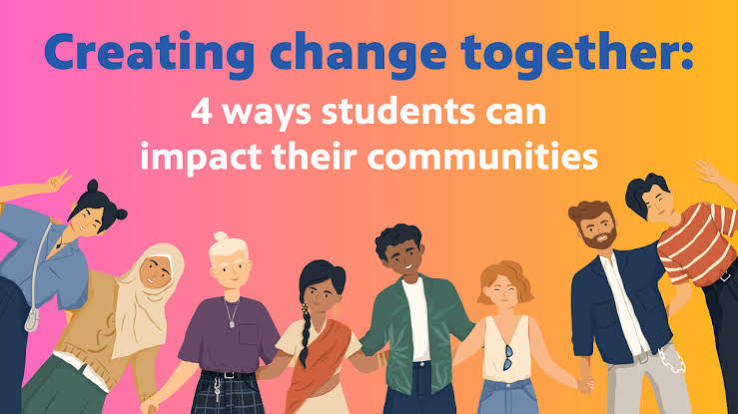
Community support can be one of the most powerful resources an organization can have. Whether an organization is a business, nonprofit, school, foundation, or local Zeal TN, Inc group, meaningful community involvement can create benefits that extend far beyond a single event or donation. When organizations build strong relationships with residents and respond to real community needs, their efforts can develop into lasting positive change. Understanding how organizations can make a positive impact in the community requires a long-term approach based on trust, collaboration, consistency, and measurable results.
Understand the Community’s Real Needs
The first step toward creating lasting impact is understanding what the community actually needs. Organizations should avoid assuming that they already know the problems residents face. Instead, they can listen to community members through surveys, meetings, interviews, focus groups, and conversations with local leaders.
Different communities have different priorities. One area may need educational support, while another may benefit more from employment opportunities, environmental projects, healthcare awareness, or youth programs. By listening carefully, organizations can direct their resources toward initiatives that have genuine value.
Community needs can also change over time. Regular communication helps organizations adjust their efforts and remain relevant rather than continuing programs that no longer address important challenges.
Build Genuine Community Partnerships
Lasting impact is rarely created by one organization working alone. Strong partnerships can bring together businesses, nonprofits, schools, government agencies, volunteers, and community groups. Each partner can contribute different skills, resources, knowledge, and connections.
For example, a company interested in supporting education could partner with local schools and nonprofit organizations. The company might provide resources or technology, while educators identify student needs and nonprofit groups help coordinate activities.
These partnerships also create shared responsibility. Instead of treating community support as a one-time contribution, organizations become active participants in solving problems alongside the people they want to help.
Focus on Long-Term Programs
One-time donations and events can provide immediate assistance, but sustainable programs can create deeper results. Organizations should consider how their initiatives can continue producing benefits months or even years after they begin.
A scholarship program, for example, can help students pursue education over several years. Job training programs can give people practical skills that improve their future employment opportunities. Environmental projects can establish long-term habits around recycling, conservation, and responsible resource use.
Long-term thinking encourages organizations to move beyond short-term publicity and focus on outcomes. The goal should be to create opportunities that help people become more capable, independent, and prepared for the future.
Encourage Employees to Get Involved
Employees can play an important role in turning organizational support into meaningful community impact. Volunteer programs, skills-based volunteering, fundraising activities, and community service days can give employees opportunities to contribute directly.
Employee involvement also strengthens the connection between an organization and the community. Workers may better understand local challenges when they participate in community projects themselves.
Organizations can encourage participation by offering flexible volunteer opportunities and recognizing employees who contribute. When community involvement becomes part of the organizational culture, it is more likely to continue consistently.
Empower Local People
Effective community support should not simply provide solutions to people; it should also help people develop the ability to create solutions themselves. Empowerment is therefore an important part of sustainable impact.
Organizations can support local entrepreneurs, provide educational opportunities, develop leadership programs, and offer skills training. These approaches can help individuals and communities build their own capacity.
For instance, instead of only donating food to a community facing economic difficulties, an organization might also support vocational training or small-business development. Immediate assistance remains valuable, but creating pathways toward opportunity can produce longer-lasting benefits.
Measure Results and Learn From Feedback
Organizations should measure the results of their community initiatives. Tracking outcomes helps determine whether programs are actually achieving their goals and where improvements may be needed.
Useful measures might include the number of people reached, educational improvements, employment outcomes, volunteer participation, environmental improvements, or funds directed toward community programs. Qualitative feedback is equally important because numbers cannot always capture the full experience of community members.
Organizations should be willing to learn from both successes and failures. If a program is not producing the expected results, feedback can help identify what needs to change. Continuous improvement makes community initiatives more effective over time.
Communicate Transparently
Trust is essential for lasting community relationships. Organizations should communicate openly about what they are doing, why they are doing it, and what results they are achieving.
Transparent communication does not mean turning every community activity into advertising. Instead, organizations should share meaningful updates, acknowledge partners, recognize community contributions, and honestly discuss progress.
When people see that an organization is accountable and genuinely committed, they are more likely to support future initiatives. Transparency can transform occasional supporters into long-term partners.
Make Community Impact Part of Organizational Culture
Community involvement becomes more sustainable when it is integrated into an organization’s values and everyday operations. Rather than treating social responsibility as a separate activity, organizations can make it part of their overall mission.
This can include ethical business practices, responsible environmental policies, fair treatment of employees, support for local suppliers, and regular community engagement. When these principles influence everyday decisions, positive impact becomes an ongoing process rather than an occasional campaign.
Leadership also plays an important role. Leaders who actively support community initiatives can encourage employees and partners to participate and demonstrate that social responsibility is a genuine organizational priority.
Support Local Leadership
Communities often have individuals who understand local challenges better than outside organizations. Supporting these local leaders can make community initiatives more effective and sustainable.
Organizations can provide funding, training, mentorship, networking opportunities, or other resources to local leaders and community groups. Giving local people a meaningful role in decision-making helps ensure that projects reflect real community priorities.
This approach also creates continuity. Even when an organization reduces its direct involvement, local leaders can continue developing and maintaining successful programs.
Create Impact That Continues
The most successful community initiatives are designed with sustainability in mind. Organizations should ask what will happen after funding ends, volunteers move on, or an initial campaign finishes.
Creating strong local partnerships, developing community skills, documenting successful processes, and establishing reliable funding models can help programs continue. Sustainability should be considered from the beginning rather than added at the end.
Ultimately, how organizations can make a positive impact in the community depends on their willingness to listen, collaborate, invest consistently, and measure meaningful outcomes. Community support is most powerful when organizations work with people rather than simply doing things for them. By focusing on genuine needs, empowering local communities, building partnerships, and maintaining long-term commitment, organizations can turn individual acts of support into lasting change.
A strong community benefits everyone. Organizations that make community impact a genuine part of their mission can build stronger relationships, create meaningful opportunities, and contribute to a healthier and more connected society for years to come.