
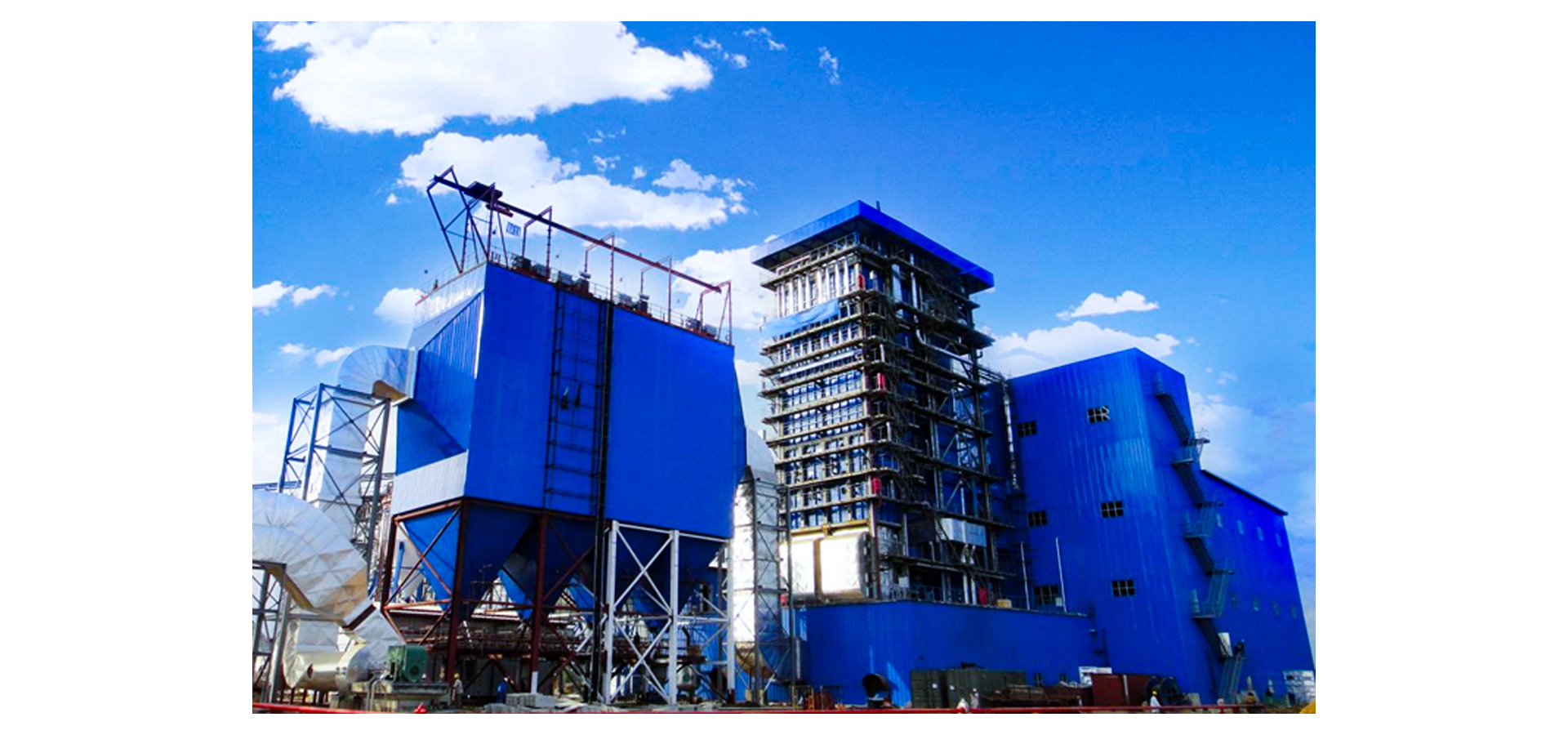
Building a small capacity biomass power plant is an effective way to generate renewable energy while utilizing agricultural residues and organic waste. Small capacity biomass power plant EPC (Engineering, Procurement, and Construction) projects are increasingly gaining attention in regions looking to diversify energy sources and promote sustainability. This guide outlines the steps, considerations, and best practices for successfully developing a small capacity biomass power plant.
Understanding Small Capacity Biomass Power Plants
A small capacity biomass power plant is designed to produce electricity on a smaller scale, typically ranging from 1 MW to 20 MW. Unlike large utility-scale projects, these plants cater to localized energy needs, such as rural communities, industrial facilities, or clusters of commercial operations. The primary fuel for these plants includes agricultural residues, wood chips, sawdust, and organic waste from various industries.
The appeal of small capacity biomass power plant EPC lies in its ability to provide decentralized energy, reduce dependence on fossil fuels, and support waste management initiatives. Proper planning, design, and execution are essential for ensuring the plant operates efficiently and sustainably.
Planning and Feasibility Assessment
The first step in building a small capacity biomass power plant is conducting a thorough feasibility study. This involves evaluating the availability and sustainability of biomass feedstock, potential power output, local energy demand, and financial viability.
A comprehensive feasibility assessment should include:
- Resource assessment: Identify the types of biomass available and quantify their annual supply. Ensure a reliable and consistent feedstock to prevent operational disruptions.
- Energy demand analysis: Determine the electricity requirements of the target area or facility to match the plant capacity appropriately.
- Site selection: Choose a location with access to biomass supply, transportation networks, and grid connectivity. Environmental impact and regulatory compliance should also be considered.
- Financial evaluation: Estimate capital expenditure (CAPEX), operating costs (OPEX), and potential revenue streams. Assess return on investment and payback periods for small capacity biomass power plant EPC projects.
Selecting the Right Technology
The choice of technology directly impacts the efficiency, emissions, and overall performance of a small capacity biomass power plant. The two most common technologies are combustion and gasification.
- Direct Combustion: In this method, biomass is burned to generate steam, which drives a turbine connected to a generator. Direct combustion is simple, reliable, and suitable for most small-scale applications.
- Biomass Gasification: Gasification converts biomass into a combustible gas (syngas) through partial oxidation. This gas fuels an engine or turbine for electricity production. Gasification can achieve higher efficiency and lower emissions but may require more complex operation and maintenance.
When planning a small capacity biomass power plant EPC, technology selection should consider feedstock type, desired efficiency, emission standards, and budget constraints.
Engineering Design and System Layout
Engineering design is a critical phase in the EPC process. It involves developing detailed drawings, selecting equipment, and designing systems to ensure smooth operation. Key components of a small capacity biomass power plant include:
- Biomass handling system: Equipment for storage, feeding, and conveying biomass to the boiler or gasifier.
- Boiler or gasifier unit: Converts biomass into steam or syngas. Proper sizing ensures efficient combustion or gasification.
- Turbine or engine generator: Converts thermal or chemical energy into electricity. Efficiency depends on technology choice and operational control.
- Emission control systems: Filters, scrubbers, and electrostatic precipitators reduce particulate matter and comply with environmental regulations.
- Auxiliary systems: Include water treatment, ash handling, cooling systems, and control systems. These support reliable and safe operation.
A well-engineered layout minimizes energy losses, ensures safe operation, and allows easy maintenance. Collaborating with experienced EPC contractors can streamline this process and avoid costly design errors.
Procurement and Equipment Selection
In the EPC phase, procurement involves sourcing high-quality equipment and materials. The success of a small capacity biomass power plant heavily depends on the reliability of its machinery, including boilers, turbines, engines, conveyors, and emission control units.
Considerations for procurement include:
- Equipment quality and certifications: Ensure all components meet industry standards and are suitable for the selected technology.
- Vendor reliability: Partner with suppliers who have experience in biomass projects to ensure timely delivery and technical support.
- Cost and lifecycle analysis: Evaluate initial cost against long-term operational expenses and maintenance requirements.
Construction and Installation
Once engineering and procurement are complete, the construction phase begins. This includes site preparation, civil works, mechanical and electrical installation, and system integration.
Important aspects of construction for a small capacity biomass power plant EPC include:
- Foundation and structural work: Ensure robust foundations for heavy equipment and turbines.
- Equipment installation: Accurate alignment and assembly of boilers, turbines, generators, and biomass handling systems are crucial for operational efficiency.
- Electrical and control systems: Install switchgear, transformers, and automation systems for seamless operation and grid connectivity.
- Safety and compliance: Implement safety measures, fire protection systems, and environmental controls in accordance with regulations.
Commissioning and Testing
After construction, the plant undergoes commissioning to verify its performance and safety. This phase involves:
- System checks: Verify mechanical, electrical, and control systems are operating correctly.
- Performance testing: Assess plant efficiency, power output, and emission levels under various operating conditions.
- Operator training: Train local staff to manage operations, maintenance, and emergency procedures.
Commissioning ensures the small capacity biomass power plant delivers reliable power and meets contractual obligations for EPC projects.
Operation and Maintenance
Efficient operation and maintenance are essential for maximizing the lifespan and efficiency of a small capacity biomass power plant. Key practices include:
- Routine inspections: Regularly check boilers, turbines, conveyors, and emission systems for wear and tear.
- Preventive maintenance: Replace worn components, clean boilers, and maintain fuel handling systems to prevent downtime.
- Monitoring and optimization: Use control systems and performance data to optimize combustion, fuel usage, and power output.
A proactive maintenance approach reduces operational costs and ensures continuous, uninterrupted power generation.
Environmental and Regulatory Compliance
Small capacity biomass power plants must adhere to environmental standards to minimize pollution and maintain sustainability. Regulatory compliance includes:
- Obtaining necessary permits for air emissions, water usage, and waste disposal.
- Implementing emission control technologies to meet legal limits.
- Ensuring sustainable sourcing of biomass to prevent deforestation and ecological harm.
Complying with these regulations protects the community, environment, and the long-term viability of the project.
Conclusion
Building a small capacity biomass power plant requires careful planning, robust engineering, reliable procurement, and skilled construction. Through the small capacity biomass power plant EPC approach, developers can deliver sustainable, decentralized energy while leveraging local biomass resources. By focusing on feasibility, technology selection, efficient design, and environmental compliance, these projects can provide clean energy solutions that are economically viable and environmentally responsible.
Small capacity biomass power plant EPC projects not only contribute to energy security but also support rural development, waste management, and carbon reduction goals. With meticulous planning and execution, small-scale biomass power plants can become a cornerstone of sustainable energy infrastructure.